
Virginia Tech chemists convert hard-to-recycle PVC waste into high-performance engine lubricant
A mild, three-hour chemical process strips chlorine from discarded polyvinyl chloride and rebuilds its carbon backbone into synthetic polyalphaolefin base oils that rival commercial engine lubricants.

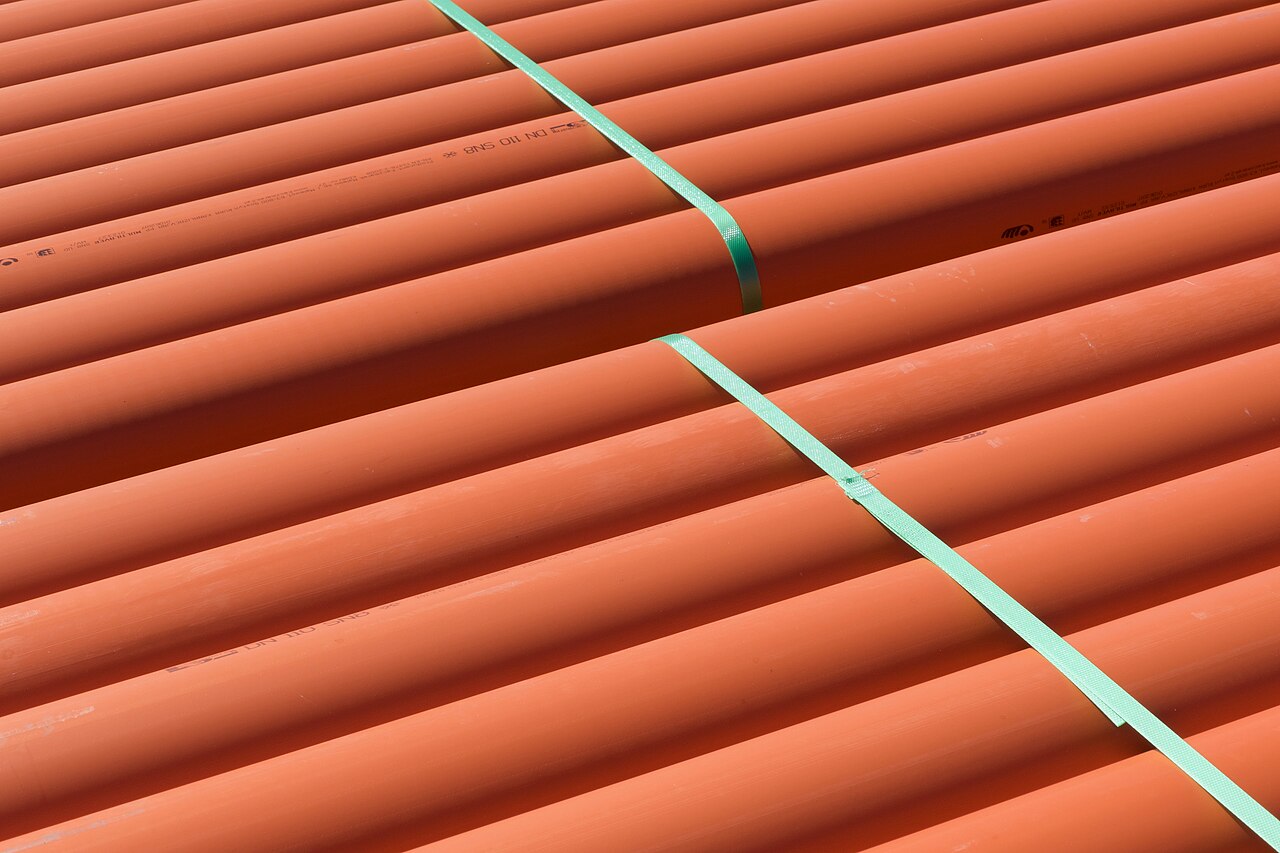
Discarded plumbing pipes, worn-out window frames, and expired credit cards could soon find a second life inside car engines and industrial machinery. Highlighted by ScienceDaily on November 27, 2026, a research team led by Virginia Tech chemist and chemical engineer Guoliang "Greg" Liu has demonstrated a chemical upcycling method that converts polyvinyl chloride (PVC) waste into vinyl-derived polyalphaolefins (vPAOs)—a high-value class of synthetic base oils used in engine lubricants.
Originally published in the journal Nature and detailed by Virginia Tech News, the technique operates at a relatively mild 70 °C (158 °F) for just three hours. By turning one of the world's most problematic plastics into a sought-after industrial fluid, the work addresses two persistent challenges at once: curbing PVC landfill accumulation and reducing the environmental footprint of synthetic lubricant manufacturing.
Why PVC has long defied conventional recycling
Polyvinyl chloride is one of the most ubiquitous plastics in modern life, prized for its durability, fire resistance, and low manufacturing cost. According to the study's abstract on PubMed, global PVC production reaches roughly 60 million tonnes annually. Yet unlike polyethylene terephthalate (PET) bottles or high-density polyethylene (HDPE) jugs, very little PVC is ever recycled.
Two chemical hurdles explain why. First, chlorine makes up about 57% of PVC's weight, as noted by The Brighter Side of News. When PVC is heated during conventional mechanical or thermal recycling, that chlorine can form corrosive compounds capable of damaging industrial processing equipment. Second, manufacturers tailor PVC for different products—ranging from rigid pipes to flexible gloves and toys—by mixing in widely varying combinations of plasticizers, heat stabilizers, pigments, fillers, and flame retardants.
Those additives make post-consumer PVC too chemically inconsistent to melt down and remold into uniform new plastic. Consequently, the vast majority of discarded PVC ends up in landfills, where it can slowly leach chlorohydrocarbons and chemical additives into surrounding soil and groundwater.
Inside the three-hour upcycling mechanism
Rather than trying to recover PVC in its original form, Liu's laboratory—building on earlier Science and Nature Sustainability studies that converted other plastic wastes into soap surfactants—focused on chemical upcycling, which breaks polymers down into entirely different, higher-value molecules.
The breakthrough emerged from an unexpected setback. Doctoral student Eric Munyaneza Nuwayo, chemistry graduate student Connor S. Thompson, and first-year graduate student Abby Civiello initially tried replacing PVC's chlorine atoms with other chemical groups along the intact polymer chain. Those early trials consistently produced soft, sticky substances with little practical use.
"One day I realized — if this polymer is so gooey and so soft, why don't I just keep breaking the polymer chains down to smaller segments?"
— Guoliang "Greg" Liu, Virginia Tech
In the resulting process, researchers place PVC into a solvent—finding that hexanes delivered the highest lubricant yield at roughly 89.5%—and add aluminum trichloride (AlCl3) alongside alpha-olefins such as 1-decene. Heating the mixture to 70 °C (158 °F) for three hours triggers three coupled reactions:
- Dechlorination: Aluminum trichloride strips chlorine from the PVC backbone, achieving more than 99.98% chlorine removal under key conditions.
- Alkylation: Alpha-olefin hydrocarbon chains attach onto the dechlorinated polymer template without requiring the expensive metallocene catalysts used in conventional commercial PAO production.
- Chain scission: The long PVC chains cleave into shorter, oil-sized hydrocarbon segments, yielding a thick vinyl-derived polyalphaolefin oil.
Because hexanes are non-aromatic and contain no carbon-chlorine bonds, they avoid competing side reactions with PVC, reduce the amount of AlCl3 needed, and limit excessive molecular branching so the resulting oil molecules pack neatly on sliding metal surfaces.
Performance testing and real-world waste trials
To verify that the lab-made oils could hold up under real mechanical stress, Liu collaborated with Ali Erdemir at Texas A&M University for friction and wear testing, William A. Goddard III at the California Institute of Technology (Caltech) for molecular dynamics simulations, and Virginia Tech's Xi Chen for techno-economic modeling.
Across tested formulations, the PVC-derived lubricants recorded kinematic viscosities at 100 °C (KV100) between 14.9 and 26.3 centistokes and coefficients of friction between 0.08 and 0.15. A formulation made using 1-decene in hexanes reached a viscosity index of 130—signaling stable performance across wide temperature swings—and a low friction coefficient of roughly 0.08 at 25 °C, matching commercial synthetic PAO products in wear tests.
Crucially, the method was not limited to clean laboratory resin. The researchers also processed mixed real-world PVC items—including plumbing pipes, credit cards, gloves, and toy frogs—by dissolving the waste, filtering out insoluble fillers, and stripping salts and organic additives before running the upcycling reaction.
Economic viability and scaling hurdles
One reason plastic recycling often stalls is economics: recovered low-grade plastic rarely sells for enough to cover sorting and processing costs. Synthetic PAO base oils, by contrast, command high market prices across automotive, aviation, and heavy manufacturing sectors.
Chen's techno-economic analysis modeled a commercial facility capable of producing 50,000 tonnes of lubricant per year. Based on an estimated $84 million capital investment, the model projected $160 million in annual revenue against $136 million in variable production costs, generating $19.6 million in net annual profit—an internal rate of return of 22.8% and a 4.26-year payback period. Still, scaling the pre-treatment steps for dirty, mixed municipal waste and managing solvent recovery at industrial volumes remain key engineering hurdles before commercial deployment.
Why it matters
Mechanical equipment everywhere—from passenger cars and lawn mowers to jet turbines—relies on synthetic lubricants to minimize friction, prevent wear, and operate reliably under extreme heat. Conventional PAO lubricants are derived from petroleum feedstocks through energy-intensive catalytic processes. By demonstrating that discarded PVC can serve as a low-cost chemical template for high-grade synthetic base oils, the Virginia Tech team points toward a circular model where stubborn plastic waste is not merely disposed of, but transformed into an essential industrial commodity.
Verified Sources & References
Think Today News verifies reporting against primary records, accredited institutions, and official data.
Spotted an error? Write to dileep@zentixservices.com. Read our corrections policy.