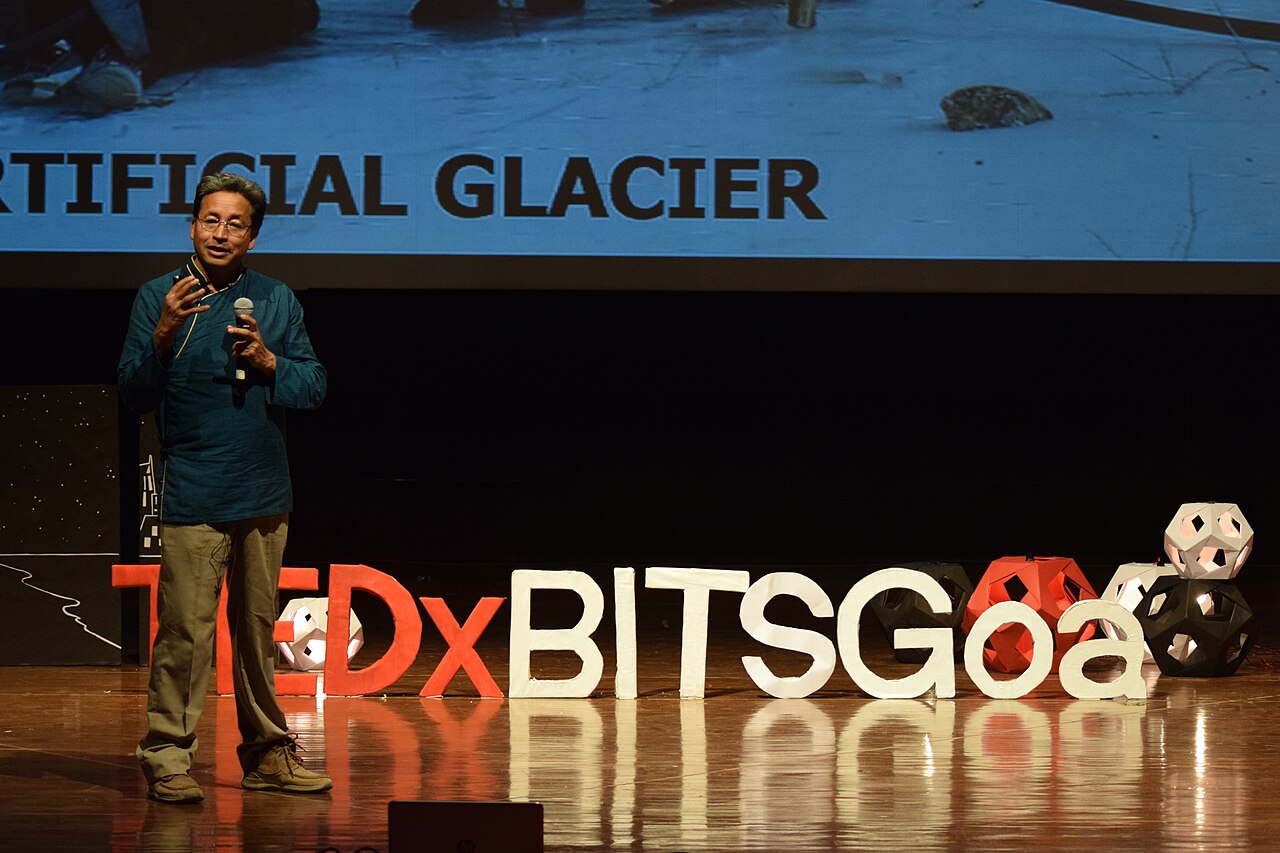

Sridhar Vembu and Zoho's Tenkasi experiment: building global SaaS from rural Tamil Nadu
Princeton PhD and Zoho co-founder Sridhar Vembu relocated from Silicon Valley to Mathalamparai village in Tenkasi, proving that world-class enterprise software can be built by local rural youth trained outside traditional college degrees.

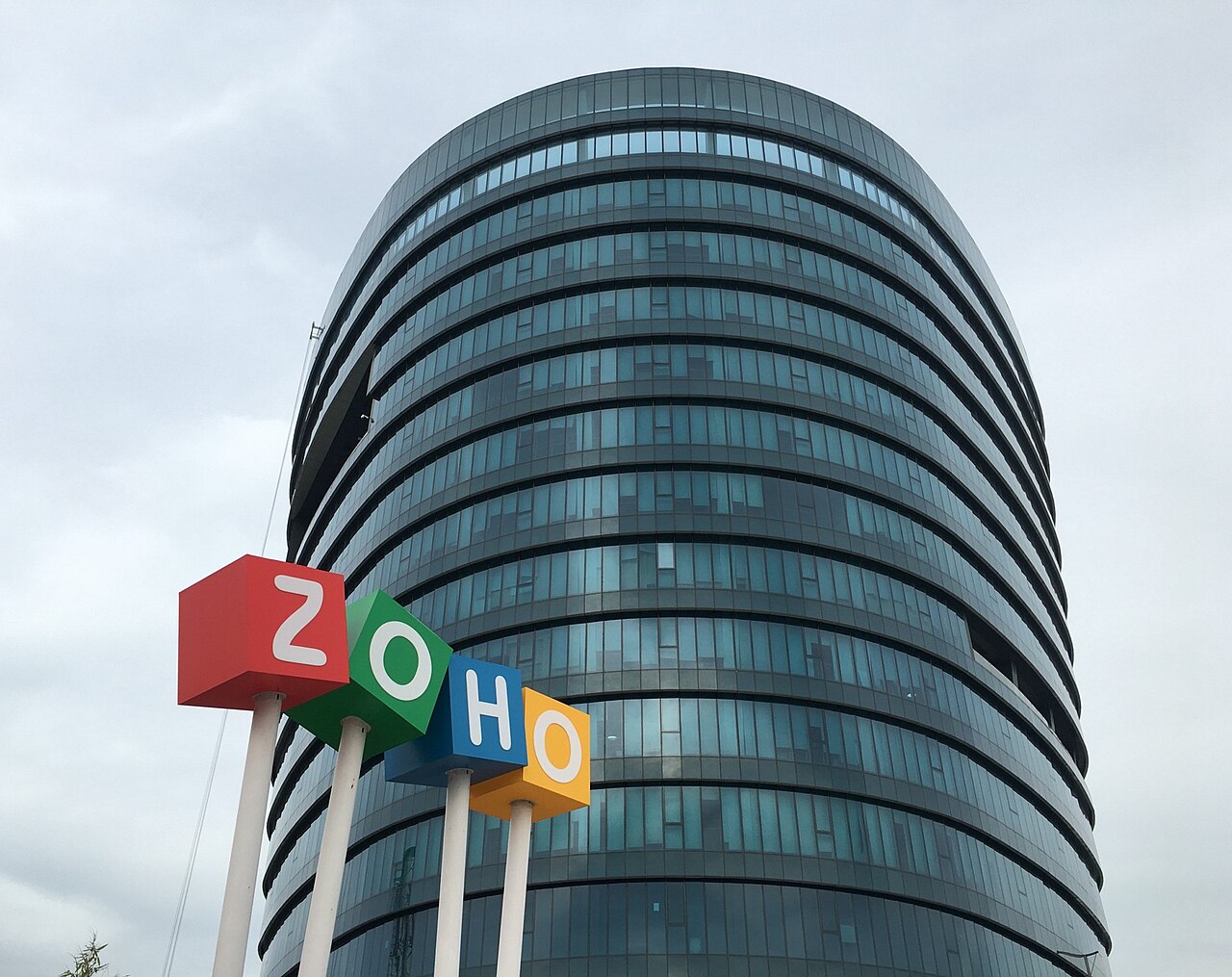
For decades, the global technology industry operated on an unspoken assumption: world-class enterprise software could only be built inside crowded metropolitan clusters like Silicon Valley, Bengaluru, or Chennai. Sridhar Vembu, co-founder of Zoho Corporation, spent the past fifteen years dismantling that assumption from a village in southern Tamil Nadu.
From IIT Madras and Princeton to rural Tenkasi
After earning his B.Tech in Electrical Engineering from IIT Madras and completing an MS and PhD at Princeton University, Vembu worked as a wireless engineer at Qualcomm in California before co-founding AdventNet (later renamed Zoho Corporation) in 1996. Like Zerodha, Zoho grew into a global software-as-a-service (SaaS) powerhouse serving millions of business users worldwide without raising institutional venture capital.
Yet Vembu grew increasingly sceptical of urban-centric growth that forced talented young Indians to leave their hometowns and families for high-cost megacities. His guiding thesis was straightforward: "Software can go to where the people are, rather than pulling people to where the software is."
The Mathalamparai experiment and Zoho Schools
In 2011, Zoho opened a small engineering office inside an abandoned fruit-pulp factory in Mathalamparai village in Tamil Nadu's Tenkasi district with just six employees. Over time, that outpost grew into a major product-development campus employing over a thousand engineers—including teams behind flagship products such as Zoho Desk.
Equally transformative was Zoho's rejection of rigid degree requirements through Zoho Schools of Learning (originally launched as Zoho University in 2005):
- Skill-first education: Rather than hiring exclusively from elite engineering colleges, Zoho recruits high-school and polytechnic graduates—many from rural Tamil-medium schools and farming families—into a free, stipend-paying residential training programme.
- Hands-on mentorship: Students learn mathematics, programming, design, and product engineering directly from practitioners before joining full-time product teams.
Moving to the village permanently (2019)
In 2019, Vembu relocated permanently from California to Mathalamparai village in Tenkasi. Often seen riding a bicycle along village roads between international product calls, he turned the Tenkasi campus into a living blueprint for decentralised, resilient work—a model whose value became unmistakably clear during the COVID-19 pandemic when rural engineers continued working safely close to home.
Why his story matters
Vembu's model demonstrates that roughly half a million people live within any 30-kilometre radius in India. By taking high-value technology jobs and practical education directly to small towns and villages, Zoho has shown how Indian enterprises can build globally competitive deep tech while revitalising rural economies.
Verified Sources & References
Think Today News verifies reporting against primary records, accredited institutions, and official data.
Spotted an error? Write to dileep@zentixservices.com. Read our corrections policy.