
Small Modular Reactors (SMRs): how nuclear power is evolving to decarbonise India's heavy industry
Small Modular Reactors offer compact, factory-assembled nuclear power with passive safety features. Here is how SMRs can replace coal boilers in India's steel, cement, and chemical plants.

As India pursues its dual objectives of reaching 500 gigawatts of non-fossil power capacity by 2030 and net-zero carbon emissions by 2070, traditional clean energy sources—such as solar photovoltaics and wind turbines—face inherent intermittency constraints. While solar and wind excel at generating daytime electricity, hard-to-abate industrial sectors like steel, cement, fertiliser, and chemical manufacturing require round-the-clock baseload power and high-temperature industrial steam.
To bridge this decarbonisation gap, India's Department of Atomic Energy (DAE) and NITI Aayog have prioritised the development and commercial deployment of Small Modular Reactors (SMRs).
What are Small Modular Reactors?
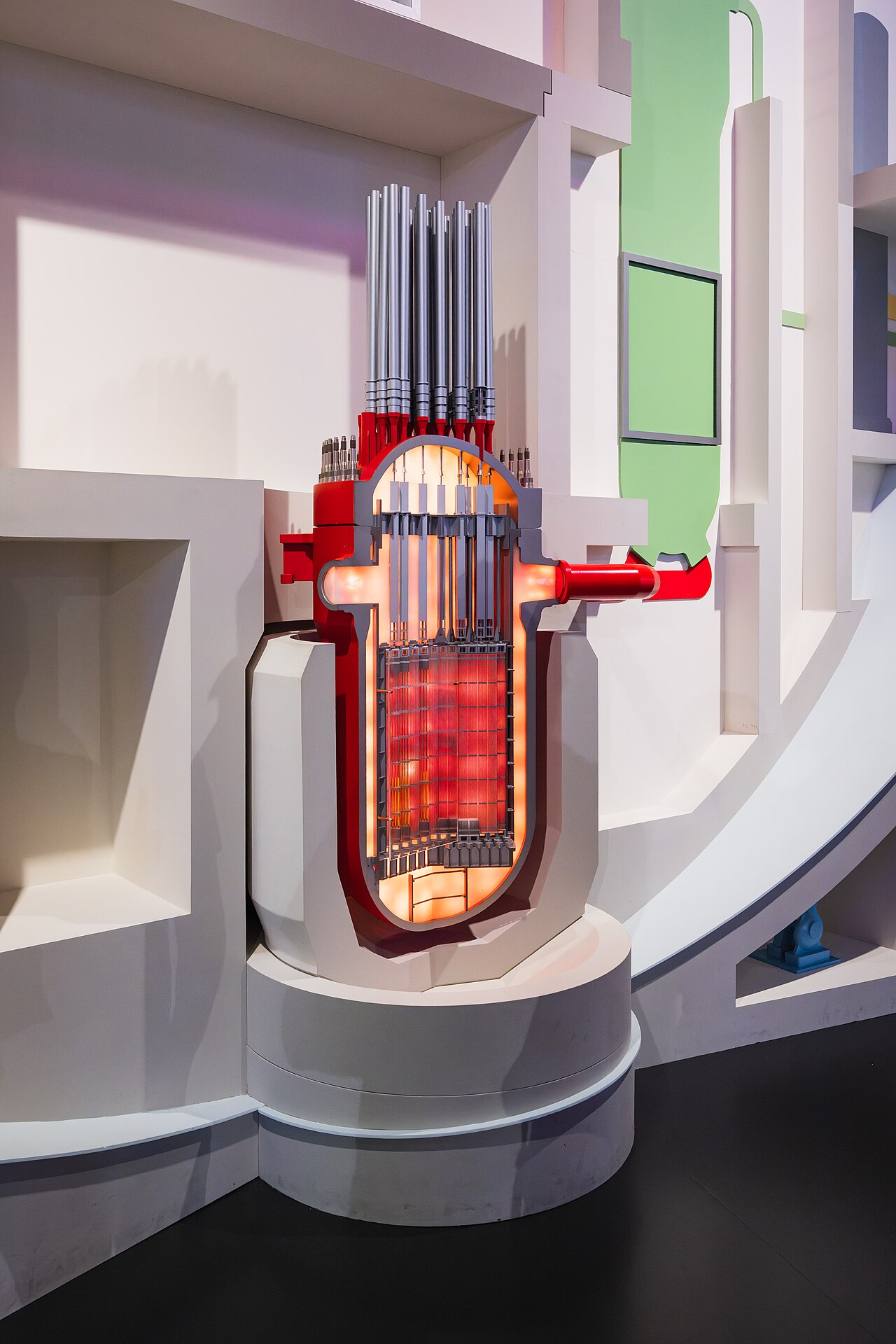
Unlike traditional gigawatt-scale nuclear reactors (which produce 1,000 to 1,600 megawatts of electricity and require massive custom on-site civil construction), SMRs are defined by distinct engineering characteristics:
- Capacity: SMRs produce up to 300 megawatts of electricity (MWe) per unit, about one-third the generating capacity of traditional nuclear power reactors.
- Modular factory construction: Key reactor components and containment structures are pre-fabricated in serial factory environments and transported to sites via standard freight trucks, railways, or barges, dramatically compressing project timelines from a decade to three to four years.
- Passive safety mechanisms: SMR designs rely on natural physical principles—such as gravity, natural circulation convection, and heat dissipation—rather than electrically driven cooling pumps. In the event of a total station blackout, the reactor automatically cools itself without operator intervention or emergency backup power.
Why SMRs fit India's industrial landscape
India currently operates over 25 commercial nuclear reactors, primarily domestic Pressurised Heavy Water Reactors (PHWRs) of 220 MWe and 700 MWe capacity. However, large reactors require extensive safety exclusion zones and millions of litres of cooling water, restricting them to coastal locations or unpopulated inland regions.
SMRs unlock novel industrial use cases:
- Repowering decommissioned coal plants: India operates dozens of ageing 100-200 MWe coal-fired units scheduled for retirement. SMRs can be installed directly on existing coal plant footprints, reusing existing grid interconnections, cooling ponds, and switchyards without acquiring new agricultural land.
- Decarbonising captive industrial power: Aluminium smelters, steel mills, and chemical complexes consume continuous electricity. An SMR stationed adjacent to an industrial cluster provides captive carbon-free power and high-temperature process heat (300°C to 800°C), eliminating coal-fired industrial boilers.
- Hydrogen production: High-temperature SMRs can power solid oxide electrolysers to produce green hydrogen at significantly higher thermodynamic efficiencies than conventional room-temperature electrolysis.
Legislative and private participation roadmap
To scale SMR adoption, the Indian government has initiated policy reforms to allow private sector equity and captive participation in nuclear energy, previously an exclusive monopoly of the public sector Nuclear Power Corporation of India Limited (NPCIL).
With public-private partnerships under formulation, SMRs represent a vital technological bridge, offering zero-carbon baseload reliability to complement India's booming renewable energy infrastructure.
Verified Sources & References
Think Today News verifies reporting against primary records, accredited institutions, and official data.
Spotted an error? Write to dileep@zentixservices.com. Read our corrections policy.