
Investment drives India's 7.6% Q2 FY27 growth outlook as GAIL and GNFC explore petrochemical expansion
Ahead of official Q2 FY27 GDP data due November 30, India Ratings and the Reserve Bank of India's November 2026 Bulletin highlight resilient investment-led expansion alongside rising food inflation, while state-backed GAIL and GNFC sign a downstream petrochemical feasibility pact in New Delhi.

India's economic momentum remained firmly anchored in domestic capital expenditure during the second quarter of the 2026–27 fiscal year (July–September 2026), even as elevated food prices and West Asian geopolitical tensions tested the inflation outlook. With the Ministry of Statistics and Programme Implementation (MoSPI) scheduled to release official Q2 FY27 Gross Domestic Product (GDP) figures on November 30, fresh assessments from India Ratings and Research (Ind-Ra) and the Reserve Bank of India (RBI) November 2026 Bulletin point to steady expansion led by fixed asset investment and festive-season demand.
In parallel corporate developments on November 27, state-run natural gas major GAIL (India) Limited and Gujarat Narmada Valley Fertilizers & Chemicals Limited (GNFC) signed a Memorandum of Understanding (MoU) in New Delhi to evaluate joint downstream petrochemical projects. Together, the macroeconomic data and industrial partnership underscore how capital formation and domestic value-chain integration are shaping India's industrial trajectory in FY27.
Investment outpaces consumption in Q2 FY27 growth estimates
On November 26, Ind-Ra projected that India's real GDP expanded by 7.6% year-on-year in Q2 FY27, moderating slightly from the 7.8% growth recorded in Q1 FY27 (April–June 2026) and the 8.1% expansion logged in Q2 FY26. Ind-Ra's estimate matches the median 7.6% forecast from a Reuters poll of 43 economists and sits above both the RBI's earlier Q2 projection of 7.2% and the Finance Ministry's October Monthly Economic Review nowcast of 7.35%.
The ratings agency also raised its full-year FY27 real GDP growth forecast by 10 basis points to 7.2%, compared with the RBI's full-year projection of 7.1% and FY26's 7.8% expansion. According to Ind-Ra Chief Economist Devendra Kumar Pant, FY27 is set to mark India's sixth consecutive year of growth above 7%, keeping average annual expansion on track for 7.8% across FY22–FY27.
A breakdown of demand indicators shows investment carrying the primary load:
- Fixed Capital Formation: Gross Fixed Capital Formation (GFCF) is estimated to have grown 10.5% year-on-year in Q2 FY27, backed by resilient domestic capital goods production and investment-related imports.
- Private Consumption: Private Final Consumption Expenditure (PFCE) growth eased marginally to 6.8% in Q2 FY27 from 7.1% in the preceding quarter. While Goods and Services Tax (GST) collections, passenger vehicle output, and consumer durables supported overall demand, contraction in consumer non-durables, weaker petroleum product consumption, and negative real wage growth in agricultural and notified urban construction labour weighed on household spending.
Looking ahead to the second half of FY27, Ind-Ra cautioned that household consumption could face headwinds from the fading effect of earlier GST rate adjustments, tighter monetary conditions, and potential El Niño disruptions to agricultural output.
RBI November Bulletin flags resilient activity and imported inflation
Released on November 25, the RBI's November 2026 Bulletin reinforced the view that India's domestic fundamentals have buffered the economy against global volatility, including synchronised monetary tightening by major central banks, a pullback in artificial intelligence equities, and elevated sovereign bond yields.
In the State of the Economy assessment, RBI officials noted that high-frequency indicators maintained momentum through October 2026:
- Credit and tax collections: Scheduled commercial bank credit expanded 19.5% year-on-year as of October 31, 2026 (up from 19.4% at end-September), outpacing deposit growth of 16.9%. Festive demand also lifted October GST collections to their second-highest monthly tally since the tax's July 2017 rollout.
- External balances: Stronger merchandise export growth narrowed India's October trade deficit compared with a year earlier, while foreign portfolio inflows, External Commercial Borrowings (ECBs), and NRI deposits remained healthy.
However, price pressures have re-emerged as a central policy concern. Headline Consumer Price Index (CPI) inflation climbed to 6.09% in October 2026 from 5.54% in September, driven primarily by food prices. A separate analytical study in the same Bulletin found that while imported items represent just 8.5% of India's rebased CPI basket (2024=100), they accounted for roughly 18% of headline inflation in October. Although the West Asia conflict triggered a sharper global crude oil shock than the Russia-Ukraine war, limited retail fuel price pass-through contained domestic energy inflation, whereas rising precious metals prices have increasingly driven imported core inflation since 2024.
GAIL and GNFC sign petrochemical feasibility pact in New Delhi
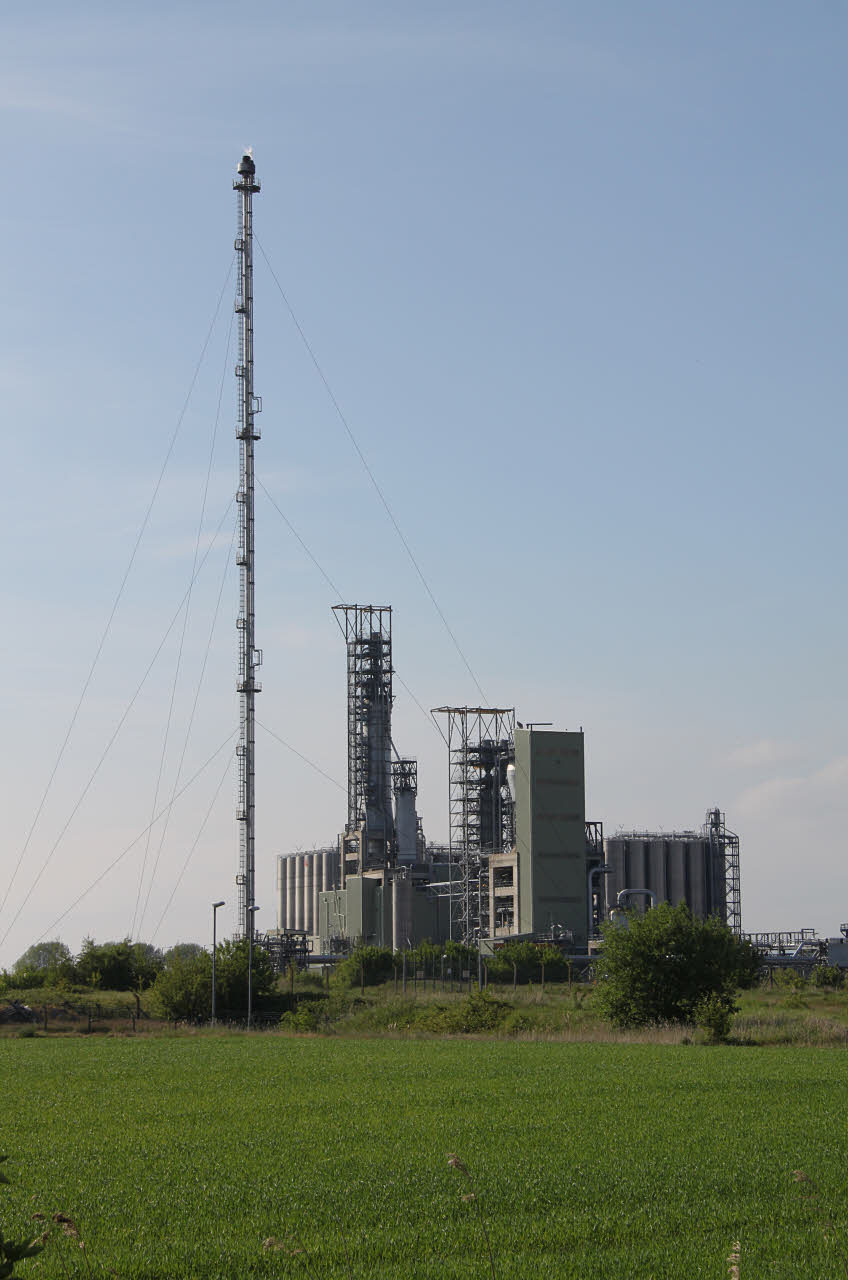
Reflecting ongoing industrial capital expenditure, GAIL (India) Limited and GNFC signed an MoU in New Delhi on November 27 to jointly assess downstream petrochemical project opportunities. The agreement was executed by Sanjay Agarwal, Executive Director (Business Development, Start-up and R&D) at GAIL, and D.V. Parikh, Executive Director and CFO of GNFC, in the presence of GAIL Director (Business Development) R.K. Singhal.
The collaboration seeks to pair GAIL's natural gas transmission and petrochemical infrastructure with GNFC's chemical and fertiliser manufacturing expertise to convert basic petrochemicals into higher-value industrial inputs used across automobiles, textiles, packaging, construction, and consumer goods. Both companies clarified that the partnership is currently restricted to a feasibility evaluation, with no capital outlay, plant location, capacity target, or execution timeline finalised yet.
Why it matters
- Interest rate expectations: With October CPI inflation at 6.09%—above the RBI's 6% upper tolerance threshold—and bank credit growing faster than deposits, borrowers and corporations face a higher-for-longer interest rate environment, reducing the likelihood of near-term rate relief.
- Investment-led job and supply-chain support: Strong 10.5% GFCF growth and PSU collaborations such as the GAIL–GNFC petrochemical evaluation signal sustained capital allocation into domestic manufacturing and import substitution, benefiting engineering, construction, and industrial suppliers.
- Uneven consumer recovery: Slower growth in non-durable goods and negative real wage growth in rural and construction segments indicate that high food prices continue to squeeze lower-income household budgets, making agricultural supply and monsoon stability critical for consumption in H2 FY27.
Verified Sources & References
Think Today News verifies reporting against primary records, accredited institutions, and official data.
Spotted an error? Write to dileep@zentixservices.com. Read our corrections policy.