
US Presidential election outcome: what it means for Indian IT exports, H-1B visas and bilateral trade corridors
With the conclusion of the US presidential election, Indian industry bodies and trade analysts are closely evaluating policy continuity across skilled immigration, tariffs, and critical emerging technologies.

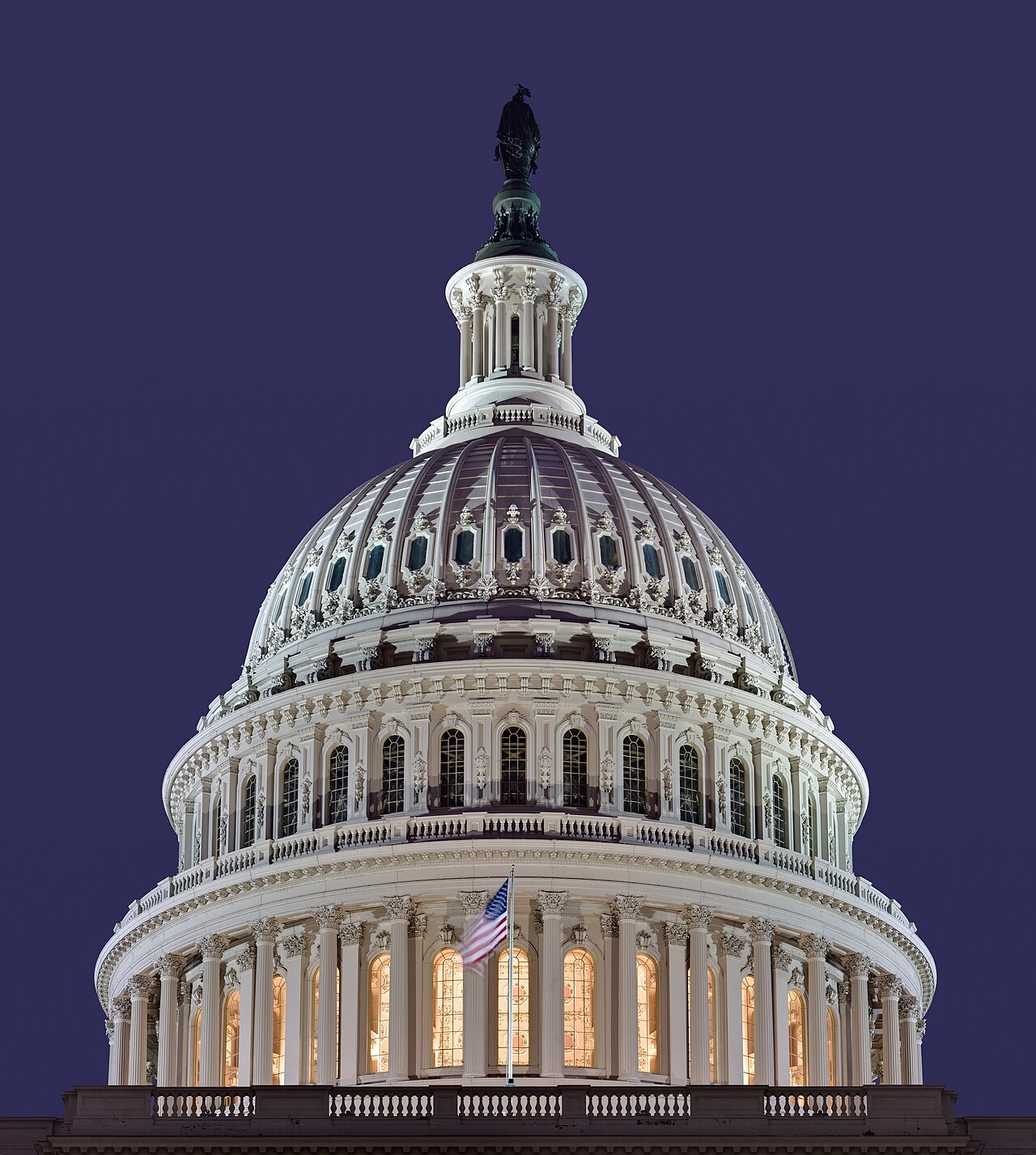
The conclusion of the United States presidential election has set in motion policy assessments across New Delhi, Mumbai, and Bengaluru, as business leaders and foreign policy analysts evaluate what the incoming administration's economic doctrine implies for the world's most consequential bilateral partnership.
The United States remains India's largest single trading partner, with bilateral goods and services trade surpassing $190 billion annually, alongside substantial Indian IT services exports and cross-border pharmaceutical shipments.
Key areas under industry observation
Industry representatives and trade economists highlight three primary policy vectors that dictate bilateral commercial flows:
1. Indian IT services and H-1B visa frameworks
The United States accounts for roughly 55 to 60 per cent of total export revenues generated by India's $250-billion technology services industry. While major Indian tech firms (such as TCS, Infosys, and Wipro) have significantly increased local US hiring over the past decade, high-skill mobility programmes like the H-1B and L-1 visa categories remain vital for project deployment. Past administrations have introduced regulatory scrutiny on wage tiers and third-party worksites, making visa filing predictability a key watchpoint.
2. Tariffs and manufacturing supply chains
Bilateral trade negotiations will navigate tariff policies on agricultural goods, steel, electronics, and automotive components. However, broad bipartisan support in Washington for the "China Plus One" supply-chain doctrine continues to favour India as an alternative manufacturing hub under the US-India Initiative on Critical and Emerging Technology (iCET).
3. Defence and critical technology cooperation
Strategic technology partnerships—including joint jet engine co-production (GE Aerospace-HAL), semiconductor testing, and cybersecurity coordination—benefit from structural institutional alignment that transcends presidential administrations, driven by shared maritime and Indo-Pacific security priorities.
Verified Sources & References
Think Today News verifies reporting against primary records, accredited institutions, and official data.
Spotted an error? Write to dileep@zentixservices.com. Read our corrections policy.