
Global semiconductor supply chains: why Taiwan geopolitics and the CHIPS Act are driving chip investments to India
As global electronics manufacturers seek to de-risk beyond East Asian chip hubs, India's semiconductor incentive mission has attracted commercial fabrication and packaging plants from Micron, Tata, and international partners.

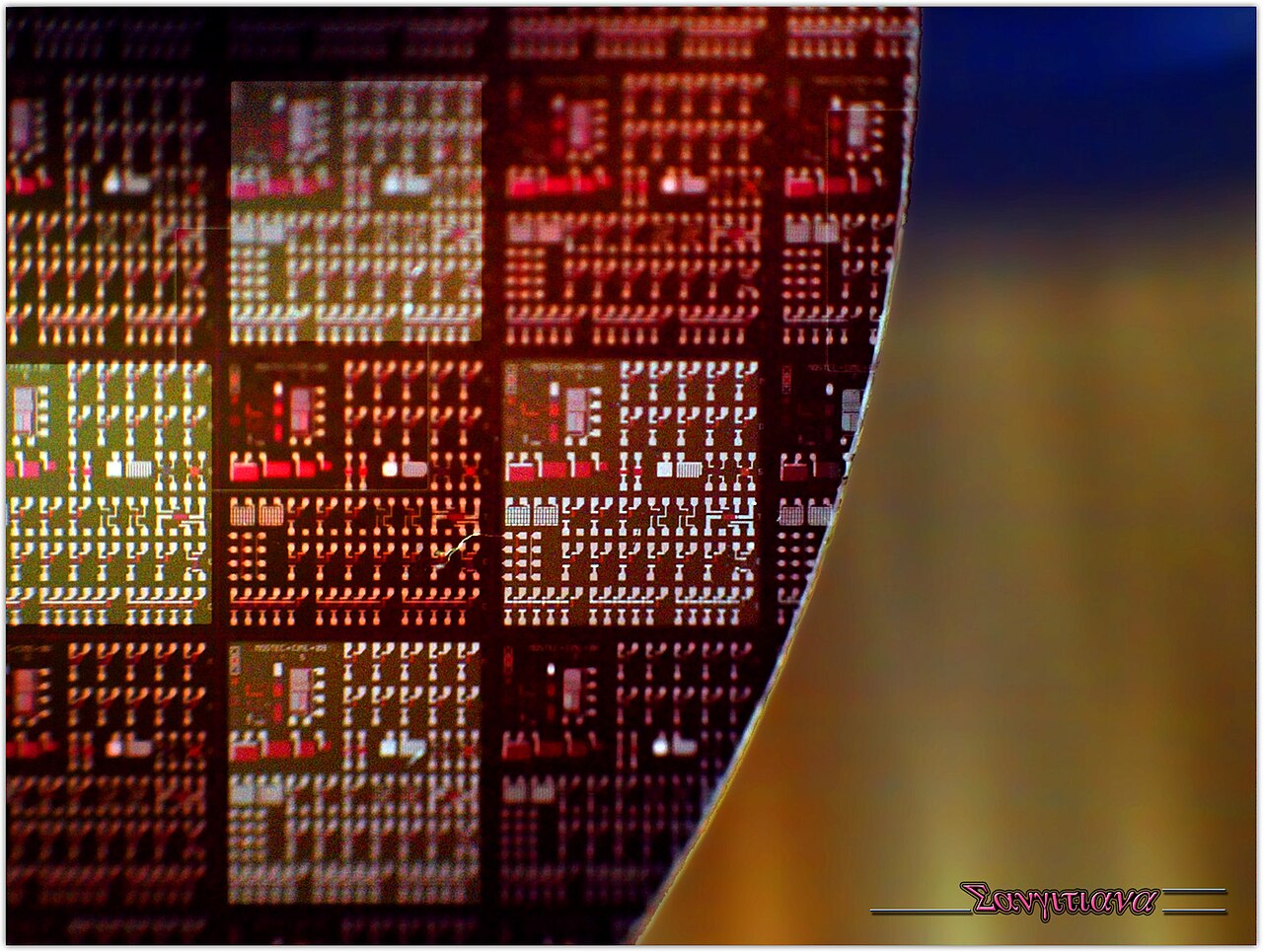
The global electronics industry is undergoing its most profound structural realignment in four decades. For decades, semiconductor manufacturing was concentrated in an ultra-efficient, highly geographic pocket: advanced microprocessors in Taiwan (led by TSMC), memory chips in South Korea (Samsung, SK Hynix), equipment in the Netherlands (ASML), and assembly in mainland China.
A combination of post-pandemic supply disruptions, geopolitical tensions across the Taiwan Strait, and aggressive industrial policies—such as the US CHIPS and Science Act and the European Chips Act—has sparked a worldwide race to establish redundant, geopolitically secure chip manufacturing corridors.
India has emerged as one of the primary beneficiaries of this "China Plus One" diversification strategy.
The geography of risk in microchip manufacturing
Modern microchips, powering everything from automotive engine control units to generative AI data centers, represent the pinnacle of industrial complexity. Extreme geographic concentration created severe single-point vulnerabilities:
- Taiwanese concentration: Taiwan produces over 60 per cent of the world's total semiconductors and more than 90 per cent of leading-edge logic chips (sub-5nm). Geopolitical friction or natural seismic events threaten global automotive and computing supply lines.
- Export controls and technology fences: Unilateral technology restrictions on advanced extreme ultraviolet (EUV) lithography tools have fractured the international semiconductor trade, forcing multinational technology firms to build clean-room facilities in neutral jurisdictions.
What the India Semiconductor Mission provides
Launched with an outlay of ₹76,000 crore ($10 billion) in late 2021, the India Semiconductor Mission (ISM) addressed the historical reasons why previous fab proposals stalled: high capital expenditure, unreliable water and power grids, and an uncompetitive tariff regime.
Under the current revised incentive structure:
- 50% fiscal support: The Union Government provides 50 per cent of the project cost on an equal pari-passu basis across all technology nodes, with state governments contributing an additional 20 to 25 per cent in capital subsidies, subsidised land, and power concessions.
- Focus on OSAT / ATMP: Rather than chasing exclusively high-cost, leading-edge 3nm logic fabs, India focused on Outsourced Semiconductor Assembly and Test (OSAT) and legacy automotive/industrial nodes (28nm to 65nm).
- Anchor projects underway: Ground has been broken on major projects, including Micron Technology's ATMP facility in Sanand (Gujarat) and Tata Electronics' commercial fabrication plant in Dholera in partnership with Taiwan's Powerchip Semiconductor Manufacturing Corporation (PSMC).
The long-term challenge: building the component ecosystem
While capital subsidies have successfully attracted multinational anchor investments, semiconductor manufacturing requires thousands of tier-2 suppliers: ultra-pure specialty chemicals, electronic-grade gases, precision quartz glassware, and uninterrupted chilled water pipelines.
India's primary structural advantage remains its vast human capital: Indian design engineers already make up nearly 20 per cent of the world's semiconductor design workforce, designing chips for Intel, Qualcomm, and Nvidia in Bengaluru and Noida. Converting this design capability into domestic manufacturing execution will dictate whether India secures an enduring position in the global chip value chain.
Verified Sources & References
Think Today News verifies reporting against primary records, accredited institutions, and official data.
Spotted an error? Write to dileep@zentixservices.com. Read our corrections policy.