
BRICS currency and de-dollarisation: where bilateral trade settlements between India, Russia and China stand
The debate over an alternative BRICS payment mechanism has gained global momentum. Here is what local currency trade settlements achieve, the limits of replacing the US dollar, and India's strategic position.

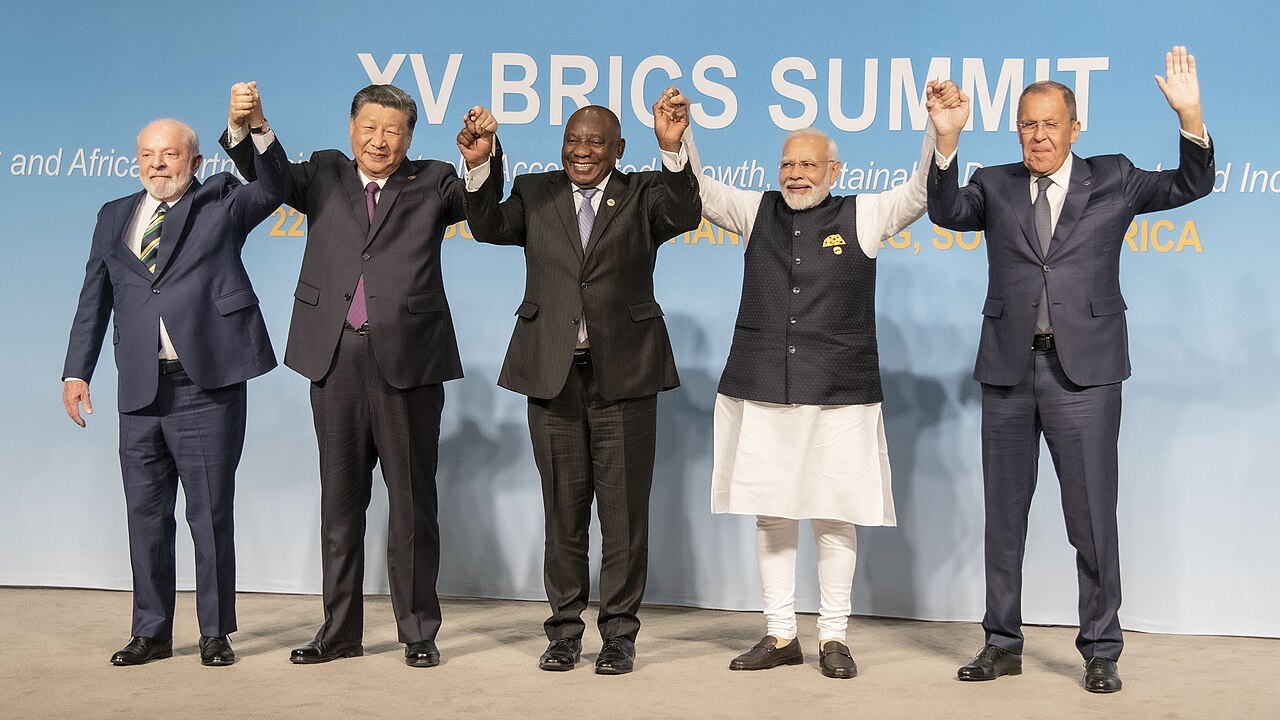
Discussions around reducing reliance on the US Dollar in international transactions have moved from academic debate to policy implementation within the BRICS framework. With the expansion of the bloc to include energy-exporting heavyweights, member nations have accelerated bilateral settlements using local currencies such as the Indian Rupee (INR), the Chinese Yuan (CNY), and the UAE Dirham (AED).
However, significant structural hurdles remain between expanding national currency trade and the hypothetical creation of a unified "BRICS currency."
The mechanics of local currency settlements
Rather than attempting to float a single multinational currency akin to the Euro, current bilateral mechanisms rely on special financial infrastructure:
- Special Rupee Vostro Accounts (SRVA): In July 2022, the Reserve Bank of India (RBI) established guidelines allowing foreign banks to open SRVAs in Indian authorised dealer banks. When an Indian importer buys crude oil or commodities, the payment is deposited in rupees into the foreign bank's vostro account in Mumbai, eliminating the need to convert rupees to dollars.
- Bilateral currency swaps: Central banks agree to trade pre-determined volumes of their local currencies at fixed exchange rates, shielding cross-border commerce from short-term global currency fluctuations.
- National payment system linkages: Linking domestic messaging platforms—such as India's UPI, Russia's SPFS, and cross-border QR standards—allows banks to execute settlement instructions directly without routing through the Belgian-based SWIFT network.
Why a unified "BRICS currency" faces steep obstacles
While bilateral trading in local currencies has grown substantially—especially in Indo-Russian hydrocarbon trade—the prospect of a single BRICS currency encounters fundamental economic divergences:
- Trade imbalances: A country exporting significantly more than it imports accumulates massive surpluses of the buyer's currency. Russia, for instance, accumulated substantial Indian Rupee balances in 2023, which could only be deployed by purchasing Indian industrial goods, government bonds, or infrastructure equity.
- Capital account convertibility: Neither China nor India maintains fully open capital accounts. Without unrestricted capital mobility and deep secondary sovereign debt markets, a synthetic common currency cannot function efficiently as an international reserve asset.
- Macroeconomic divergence: The Euro required member states to adhere to strict Maastricht fiscal deficit and inflation criteria. BRICS members possess starkly different inflationary profiles, sovereign debt ratios, and monetary policy priorities.
India's strategic balancing act
India has consistently distinguished its policy from anti-Western rhetoric. The Ministry of External Affairs and the RBI have maintained that India's priority is transaction efficiency, lowering foreign exchange conversion costs, and insulating critical imports from external sanctions.
India has actively avoided proposals that would grant disproportionate hegemony to the Chinese Yuan within the bloc. By prioritising the internationalisation of the Rupee and promoting digital bilateral bridges with partner nations across Asia and the Gulf, India seeks pragmatic trade resilience without endorsing an adversarial financial bloc.
Verified Sources & References
Think Today News verifies reporting against primary records, accredited institutions, and official data.
Spotted an error? Write to dileep@zentixservices.com. Read our corrections policy.