
COP29 Climate Summit in Baku: the new climate finance goal (NCQG) and developing nations' $1 trillion demand
At the UN Climate Change Conference COP29 in Baku, negotiations centered on the New Collective Quantified Goal (NCQG), replacing the outdated $100 billion annual climate finance pledge with a trillion-dollar roadmap.

The 29th Conference of the Parties (COP29) to the United Nations Framework Convention on Climate Change in Baku, Azerbaijan, has focused global diplomatic attention on the single most contentious issue in international climate governance: climate finance.
Dubbed the "Finance COP," the conference was convened to establish the New Collective Quantified Goal (NCQG) on climate finance, which must replace the historical—and long-unfulfilled—pledge of $100 billion per year made by developed nations at Copenhagen in 2009.
The core conflict: Grants versus Loans
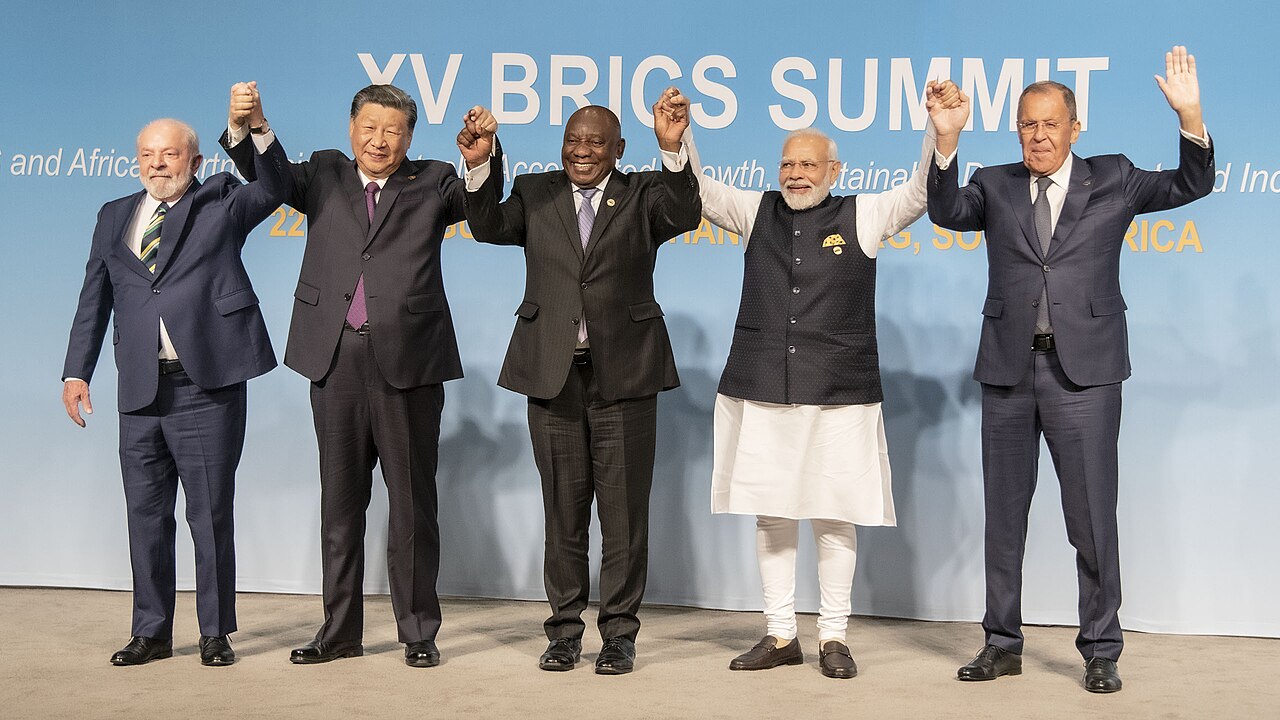
Developing economies—represented by negotiating coalitions including the Like-Minded Developing Countries (LMDC), the African Group, and the G77 plus China—have demanded a target of at least $1 trillion to $1.3 trillion annually through 2030.
Beyond headline monetary targets, developing countries have insisted on strict structural quality:
- Public grants, not debt: Historical climate finance has predominantly flowed as commercial loans, indebting climate-vulnerable countries that are already spending high percentages of their GDP servicing foreign debt following climate disasters.
- Common but Differentiated Responsibilities (CBDR): Under the Paris Agreement, historical polluters (the US, UK, and EU member states) carry the legal obligation to provide financial and technological resources to developing nations undergoing green industrial transitions.
- Broadening the contributor base: Developed nations have pushed to expand the formal donor list to include high-income emerging economies like China and Gulf petroleum states, a move resisted by developing blocs under existing treaty mandates.
India's stance on climate justice
India's negotiating delegation, led by the Ministry of Environment, Forest and Climate Change, reiterated that climate finance is not foreign aid or charity, but an obligation anchored in historical carbon space equity.
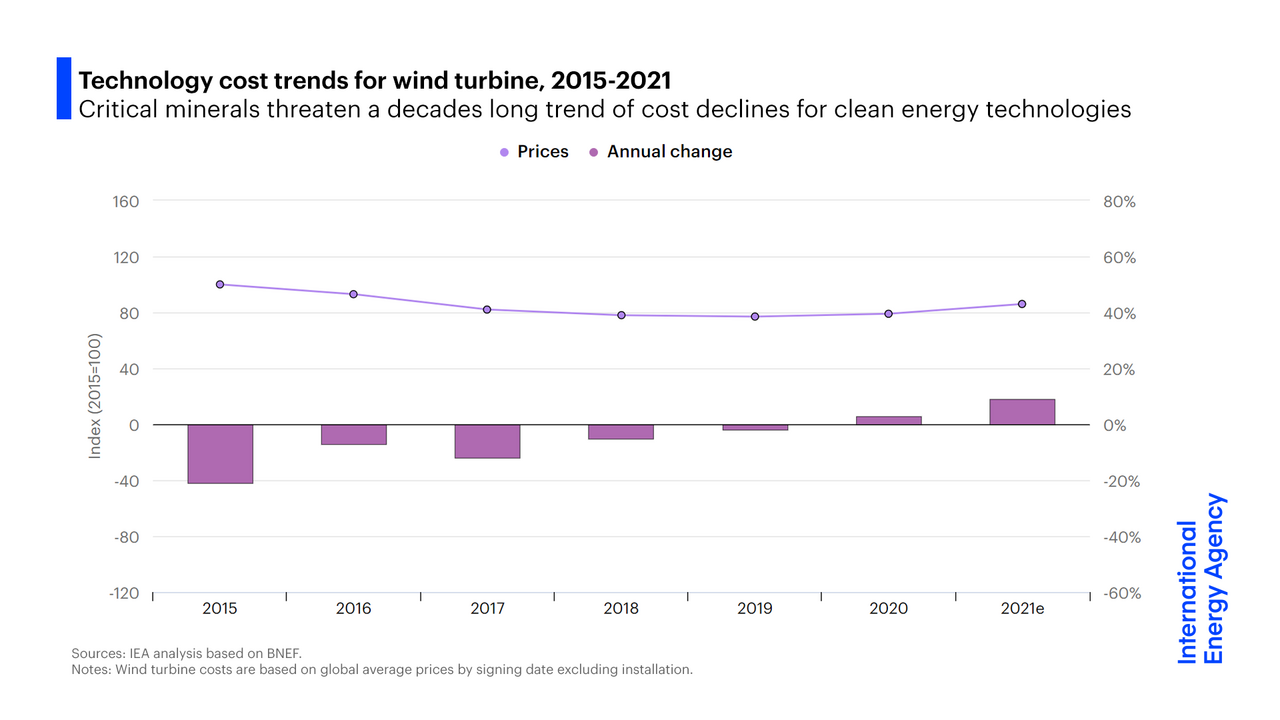
With India rapidly scaling its solar and wind infrastructure to reach 500 GW of non-fossil capacity by 2030, accessible international capital remains essential to reduce the cost of clean energy storage, green hydrogen, and industrial decarbonisation.
Verified Sources & References
Think Today News verifies reporting against primary records, accredited institutions, and official data.
Spotted an error? Write to dileep@zentixservices.com. Read our corrections policy.