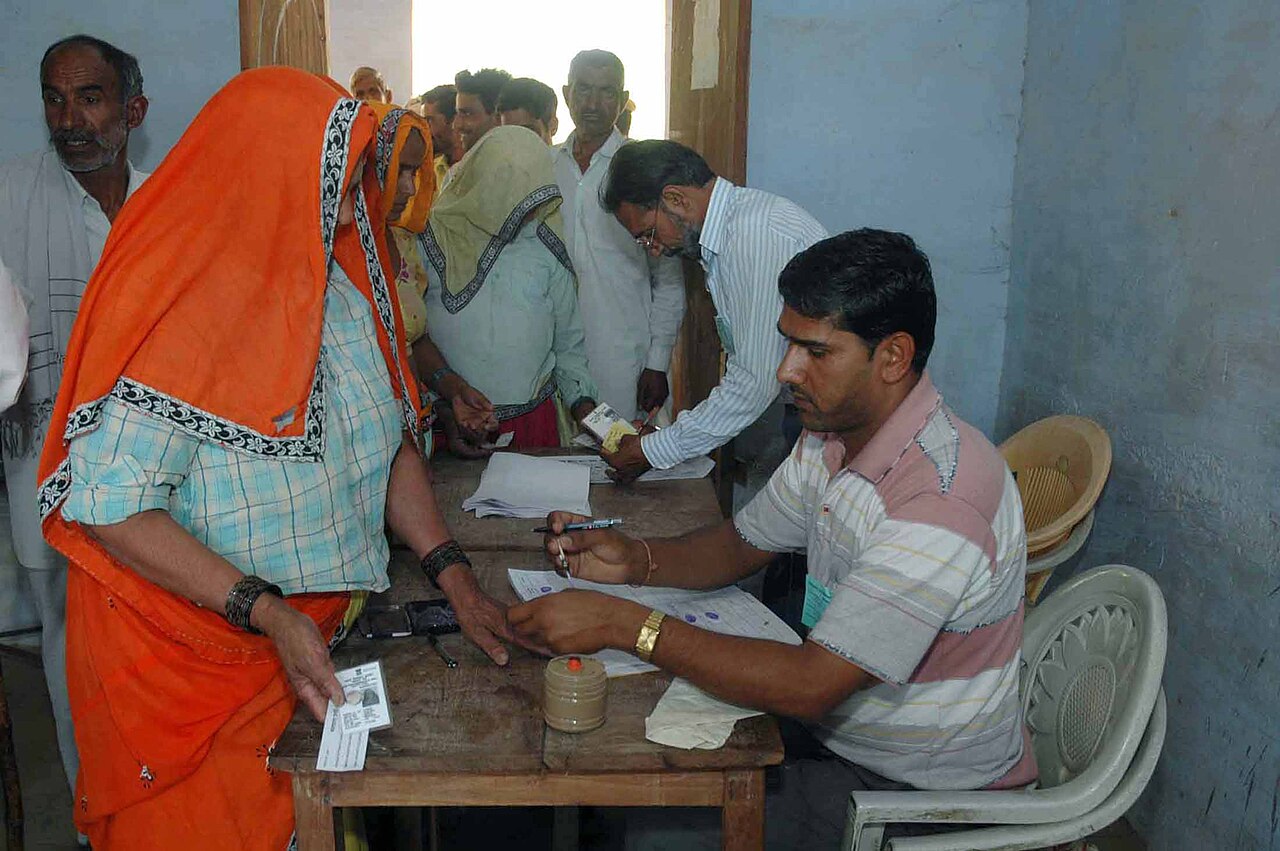

Supreme Court on governor assent to bills: why the constitution mandates timely action on state legislation
The Supreme Court of India reiterated that constitutional governors cannot indefinitely withhold assent or sit on bills passed by democratically elected state legislative assemblies.

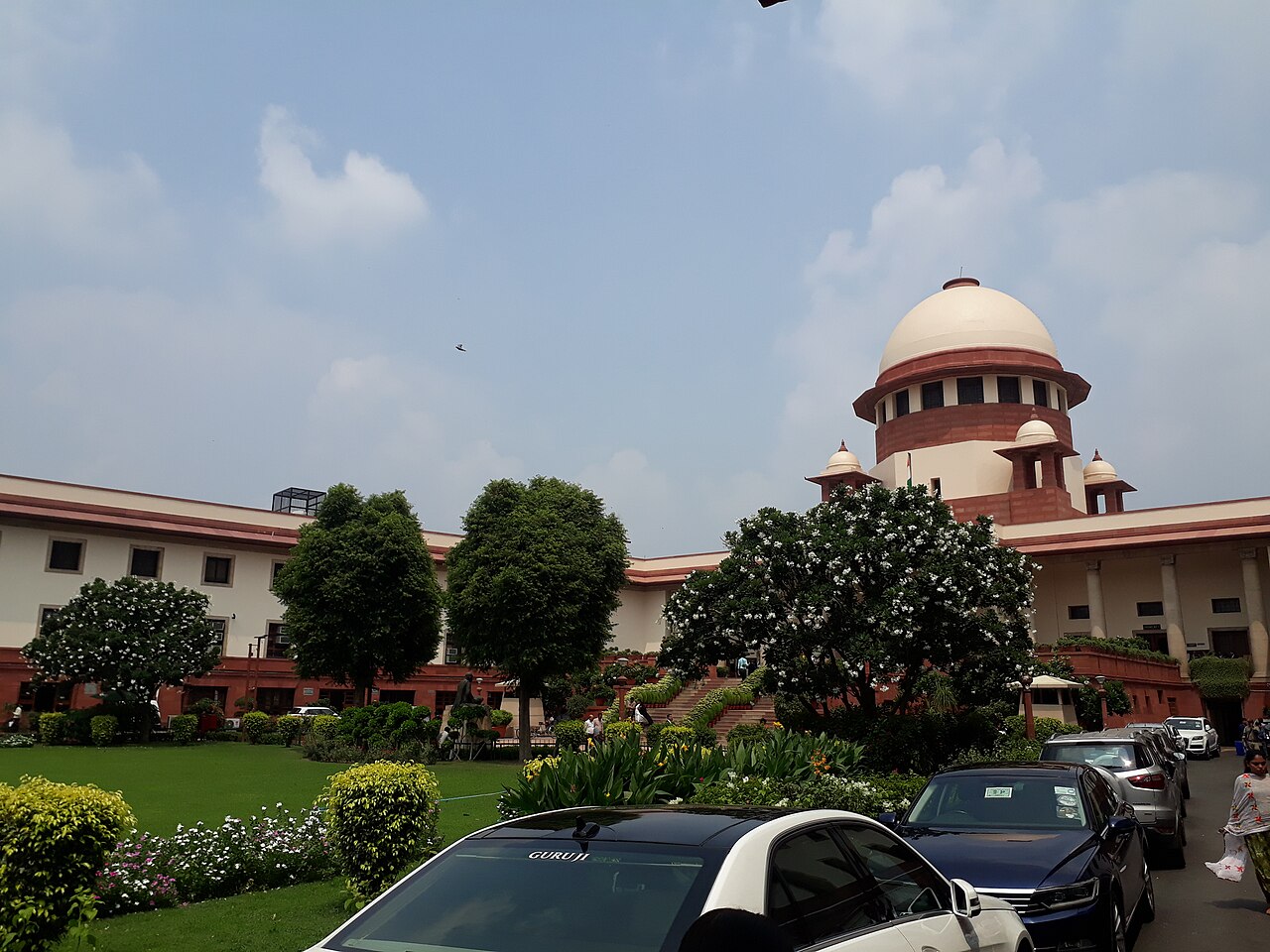
The constitutional relationship between appointed state governors and elected state legislative assemblies has emerged as one of the most hotly contested arenas in Indian federalism.
In multiple significant pronouncements dealing with petitions filed by state governments including Punjab, Tamil Nadu, and Kerala, the Supreme Court of India clarified the scope and boundaries of gubernatorial authority under Article 200 of the Constitution, emphasizing that governors cannot exercise an indefinite "pocket veto" over bills duly passed by state legislatures.
Understanding Article 200 of the Constitution
When a bill is passed by a state legislative assembly and presented to the governor, Article 200 provides four distinct constitutional pathways:
- Grant assent: The bill becomes an enforceable state statute.
- Withhold assent: The governor formally declares that assent is withheld, terminating the bill.
- Reserve for the President: The governor reserves the bill for the consideration of the President under Article 201 (mandatory if the bill derogates from High Court powers).
- Return the bill with a message: Return the bill to the house requesting reconsideration of specific clauses.
Crucially, the first proviso to Article 200 explicitly mandates: "the Governor may, as soon as possible after the presentation to him of the Bill for assent, return the Bill together with a message..."
What happens if the legislature passes the bill a second time?
The constitutional mechanism is decisive on this point: if the state assembly reconsiders the returned bill and passes it again—either with or without the amendments suggested by the governor—the second proviso to Article 200 clearly states that "the Governor shall not withhold assent therefrom."
The Supreme Court bench, headed by the Chief Justice of India, observed that the phrase "as soon as possible" conveys constitutional urgency. An appointed gubernatorial office cannot sit on legislation indefinitely, as doing so would subvert the foundational democratic principle of parliamentary supremacy.
Verified Sources & References
Think Today News verifies reporting against primary records, accredited institutions, and official data.
Spotted an error? Write to dileep@zentixservices.com. Read our corrections policy.