
Election Commission directs 25 States and UTs to correct SIR voter roll errors through Form 8
The poll panel has barred automated edits to voter details, mandating door-to-door Booth Level Officer verification and signed Form 8 consent during the ongoing Special Summary Revision.

The Election Commission of India (ECI) on November 25, 2026, directed Chief Electoral Officers across 25 States and Union Territories to identify and rectify erroneous entries in existing electoral rolls by cross-checking them against data gathered during the Special Intensive Revision (SIR). Under the directive, no voter's personal particulars may be altered solely on the basis of automated identification; every correction must be verified in the field and backed by a duly signed Form 8 application.
Issued by ECI Secretary Pawan Diwan from Nirvachan Sadan under letter No. 23/2026-ERS, the instruction applies to States and UTs currently conducting the Special Summary Revision (SSR) with January 1, 2027, as the qualifying date. According to The Times of India, the move follows widespread complaints regarding inaccurate demographic entries recorded during the intensive revision exercise.
How the cross-verification and Form 8 process will work
In its November 25 directive, the Commission instructed state election authorities to compare electors' existing roll particulars with the corresponding information collected during the SIR. Officials must flag any mismatch involving:
- Elector's name
- Relative's name and relationship type
- Date of birth
- Registered mobile number
- Elector's photograph and other demographic fields
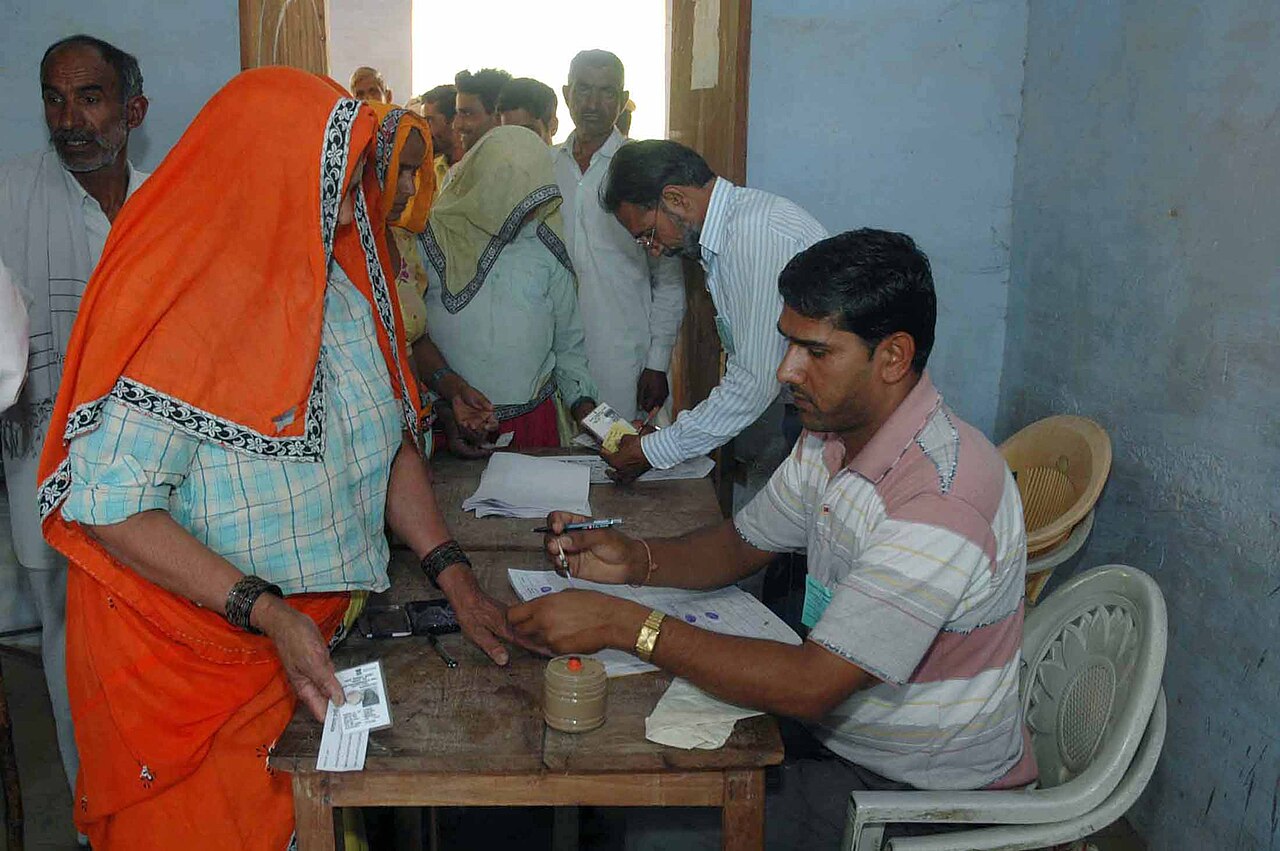
Once a discrepancy is flagged, Booth Level Officers (BLOs) will visit the concerned voters during the ongoing SSR to verify their details against supporting documents, as reported by Akashvani News. Where a correction is needed, the BLO will obtain a duly filled and signed Form 8—the statutory application used for shifting residence, correcting existing roll entries, replacing Electors Photo Identity Cards (EPIC), and marking Persons with Disabilities (PwD).
Electoral Registration Officers (EROs) and Assistant Electoral Registration Officers (AEROs) will then examine the supporting records and dispose of each application under prescribed rules. The entire workflow will be tracked digitally through dedicated BLO, AERO, and ERO modules on the ECI's ECINet platform, with the Commission's IT division tasked with deploying the required system provisions.
Strict safeguard against automated roll edits
A central pillar of the ECI's order is an explicit prohibition on unilateral software-driven updates. Paragraph 4 of the ECI circular states that because the exercise modifies electors' demographic particulars, corrections can take effect only through a signed Form 8 approved by the competent authority, and no changes may be made solely on the basis of automated identification.
State-level election offices moved quickly to operationalise the safeguard. On November 25, Uttar Pradesh Chief Electoral Officer Navdeep Rinwa instructed all District Election Officers across the state that no demographic details or photographs would be altered automatically, even where mismatches surface during SSR-2027, according to The Times of India's Lucknow report. Rinwa directed district authorities to enforce strict compliance and guard against negligence during field verification.
Which states are covered—and which are on separate timelines
The November 25 directive covers 25 States and Union Territories: Andaman and Nicobar Islands, Arunachal Pradesh, Assam, Bihar, Chandigarh, Chhattisgarh, Dadra and Nagar Haveli and Daman and Diu, Goa, Gujarat, Karnataka, Kerala, Lakshadweep, Madhya Pradesh, Manipur, Meghalaya, Mizoram, Odisha, Puducherry, Punjab, Rajasthan, Sikkim, Tamil Nadu, Uttar Pradesh, Uttarakhand, and West Bengal.
Per an earlier ECI SSR framework letter dated November 16, 2026, the remaining 11 States and Union Territories are on separate revision schedules:
- Ongoing SIR: Andhra Pradesh, Haryana, Jharkhand, Maharashtra, Nagaland, NCT of Delhi, and Telangana, where SSR schedules will be announced after SIR concludes.
- Upcoming SIR: Tripura, where SIR is scheduled to begin on December 26, 2026.
- Weather-adjusted timelines: Himachal Pradesh, Jammu and Kashmir, and Ladakh, where SIR has not yet started and roll revision dates will be notified later keeping weather conditions in view.
Background: the scale of India's 2025–2026 Special Intensive Revision
Unlike an annual summary revision—which updates existing rolls incrementally—a Special Intensive Revision involves a ground-up verification of electoral rolls under Section 21 of the Representation of the People Act, 1950. According to a July 25, 2026 Press Information Bureau (PIB) release citing Union Law and Justice Minister Arjun Ram Meghwal's reply in the Lok Sabha, the ECI launched SIR Phase I in Bihar ahead of the 2025 Assembly elections, followed by Phase II across nine States and three UTs between October 2025 and April 2026.
Together, the first two phases covered nearly 59 crore electors across 13 States and UTs, deploying over 6.3 lakh BLOs and 9.2 lakh Booth Level Agents (BLAs) nominated by political parties, according to a May 14, 2026 PIB press note. Phase III extended the exercise to 16 more States and 3 UTs—covering 36.73 crore electors with more than 3.94 lakh BLOs and 3.42 lakh BLAs.
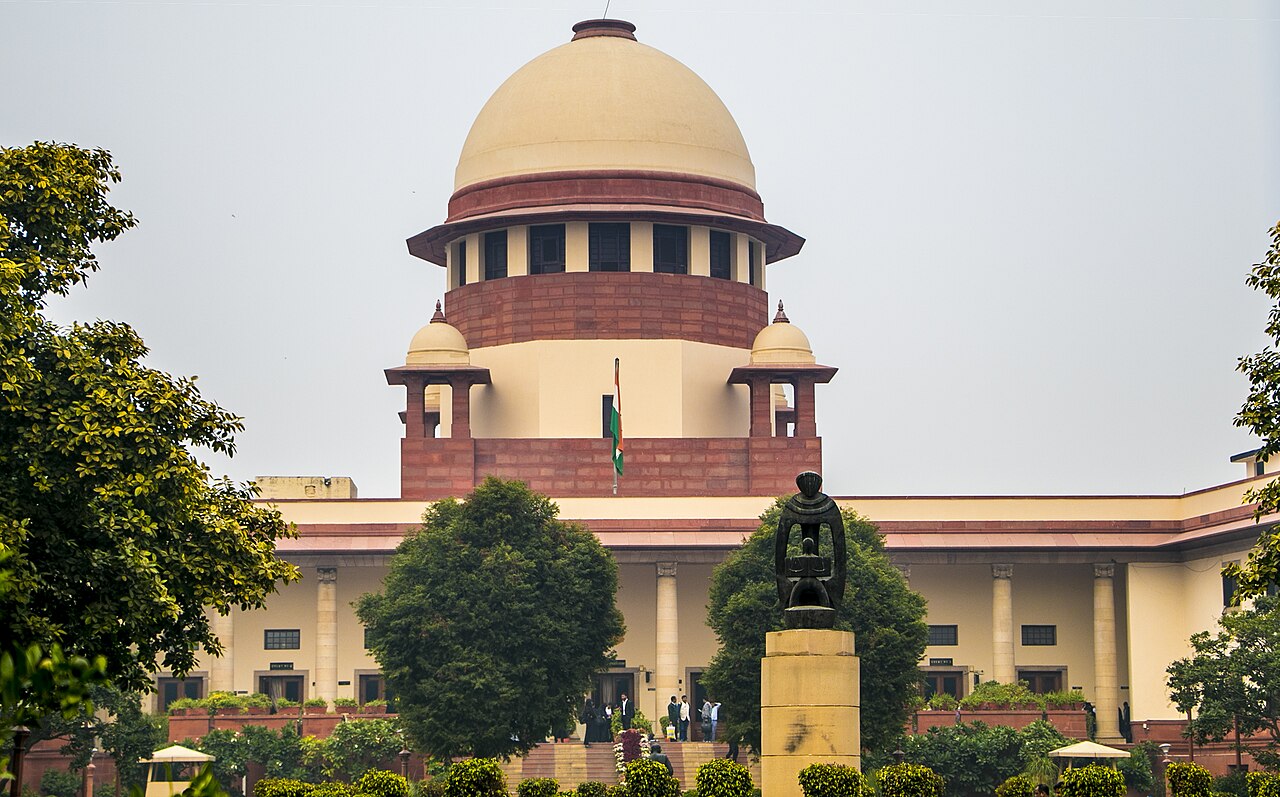
The massive verification drive also drew legal challenges over deletions and documentation rules. On May 27, 2026, the Supreme Court in Association for Democratic Reforms & Ors. vs. Election Commission of India & Ors. upheld the ECI's statutory and constitutional mandate under Article 324 to conduct the SIR, while emphasising procedural safeguards and judicial review. Against that backdrop, clerical errors, mismatched photographs, and spelling discrepancies from the intensive enumeration have become a major administrative focus during the subsequent summary revision.
Why it matters
For millions of Indian voters, accuracy in the electoral roll is the difference between casting a ballot smoothly and facing avoidable hurdles at a polling booth. Misspelled names, wrong relative details, outdated photographs, or unlinked mobile numbers can delay identity verification on polling day or prevent electors from downloading digital e-EPIC cards and receiving SMS alerts.
By prohibiting automated overwrites and requiring a signed Form 8 after physical verification, the ECI's directive places a clear procedural check against silent or erroneous edits to a citizen's voter record. At the same time, it gives electors in the 25 covered States and UTs a structured window during the ongoing SSR to correct SIR-era mistakes—either when a BLO visits their doorstep or by checking their particulars and submitting Form 8 through the ECI Voter Service Portal.
Verified Sources & References
Think Today News verifies reporting against primary records, accredited institutions, and official data.
Spotted an error? Write to dileep@zentixservices.com. Read our corrections policy.