
Supreme Court flags 'active connivance' of civic bodies in illegal constructions, seeks action plans from states
A two-judge Supreme Court Bench led by Justice B.V. Nagarathna termed municipal inspections a 'sham' and directed all States and Union Territories to propose systemic enforcement reforms while narrowing the scope of a pan-India case to prevent legal chaos.

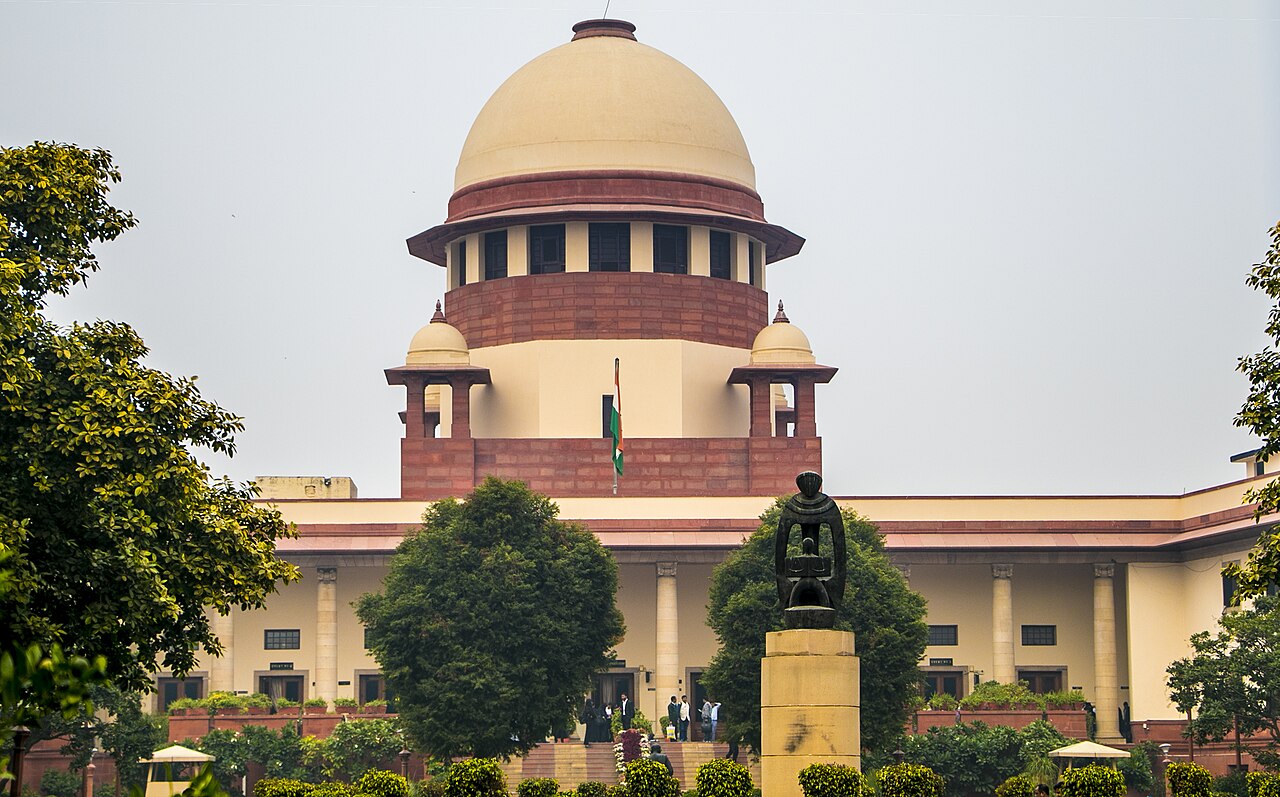
On November 23, 2026, the Supreme Court of India issued a sharp indictment of urban governance across the country, observing that unauthorised constructions flourish with the "active connivance" of municipal authorities and are frequently sustained by the expectation of pre-election regularisation.
While refusing to continue monitoring individual demolition disputes nationwide, a Bench of Justices B.V. Nagarathna and Sanjeev Sachdeva directed all State Governments and Union Territories to file formal affidavits outlining concrete measures to curb building bye-law violations, as reported by LiveLaw and Bar and Bench.
Hearing a miscellaneous application in Loganathan v. State of Tamil Nadu & Ors. (Diary No. 17103 of 2026), the Bench noted it was "disturbed to note the flagrant violation throughout the country" of building regulations. The Court scheduled the next hearing for January 6, 2027, at 2:00 PM, giving state administrations and municipal commissioners time to coordinate their institutional responses.
'Sham' inspections and selective enforcement
In strongly worded observations recorded in its order, the Supreme Court stated that the rule of law is "rendered hollow" when enforcement agencies fail to act against violations. The Bench pointed out that municipal inspections in Indian cities are routinely delayed until a structure is complete and the breach becomes an irreversible fait accompli.
"The state of municipal inspection in our cities is in shambles to say the least. It is often undertaken after the building has risen and the violation has become a fait accompli. Such inspections are to say the least a sham. It is also an open secret that unauthorised construction often flourishes with the active connivance of the Municipal authorities hoping that state governments would ultimately regularise the same particularly before an impending election."
— Supreme Court order, November 23, 2026
During oral hearings, Justice Nagarathna questioned selective enforcement by civic bodies, asking why certain builders and property owners are permitted to flout sanctioned plans while law-abiding citizens face strict compliance. Calling civic officials "hand in glove" with violators, she pressed counsel on the informal payments allegedly exchanged to secure plan sanctions, bypass stage-wise checks, and stall demolitions, as detailed by Times Now.
The Court also linked urban planning discipline to constitutional obligations, citing Fundamental Duties under Articles 51A(a) and 51A(j). Describing cities as "shared civic spaces" rather than mere clusters of private plots, the Bench warned that illegal deviations and commercial encroachments in residential zones—such as hotels, eateries, gaming parlours, and offices—severely strain roads, drainage networks, and traffic capacity.
Why the Bench narrowed the pan-India scope
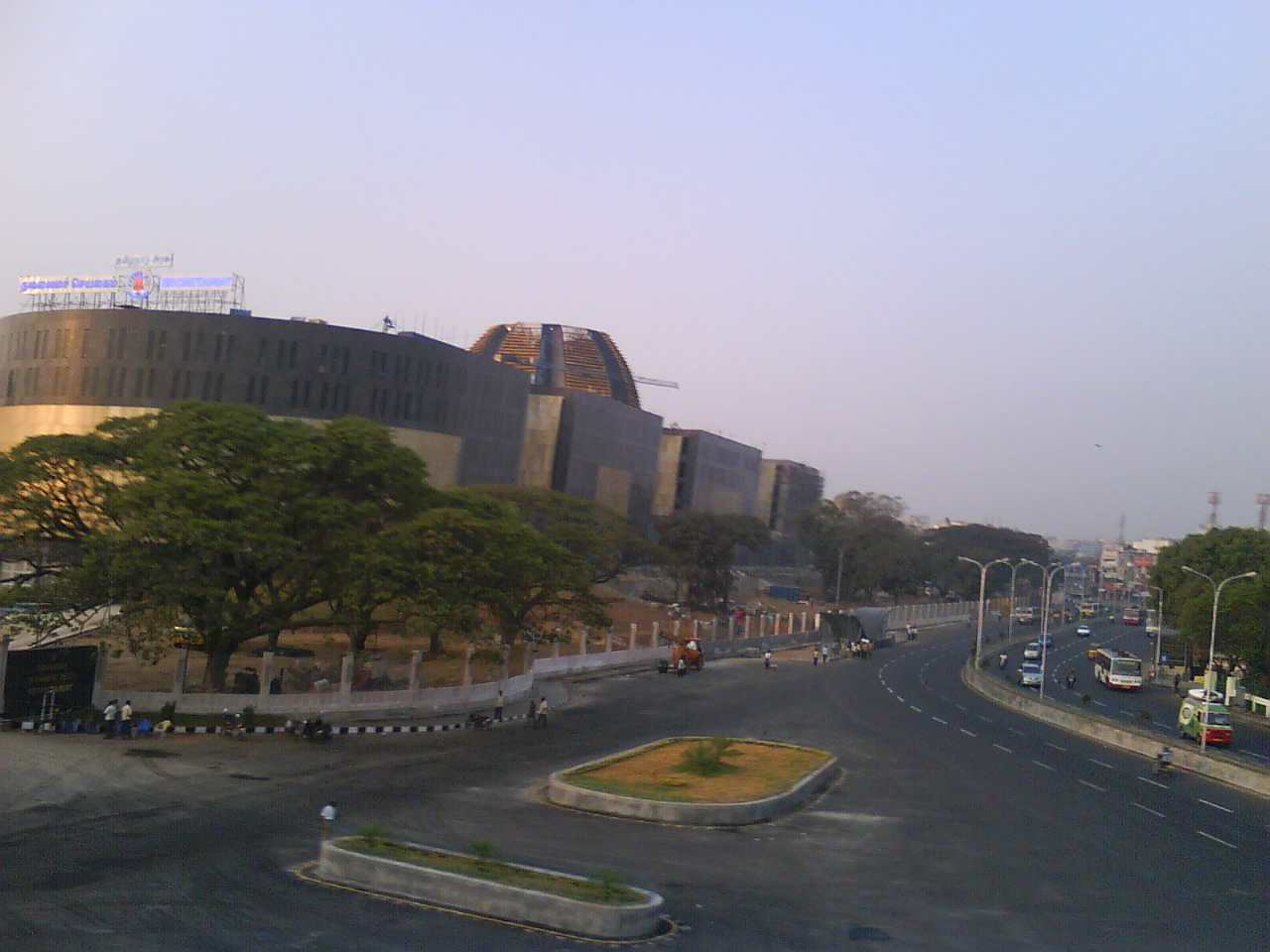
Even as it criticised municipal corruption, the Bench significantly trimmed the judicial scope of the proceedings. The Loganathan matter had originally arisen from sealing and demolition notices against a ground-plus-one unauthorised structure in Chennai. Although the Supreme Court dismissed the underlying Special Leave Petitions on February 16, 2026, a previous Bench of Justices Ahsanuddin Amanullah and R. Mahadevan expanded the case on March 25, 2026, into a nationwide probe into building violations and residential land misuse, appointing Senior Advocate Ajit Kumar Sinha as amicus curiae.
Following a recent roster reassignment by Chief Justice of India Surya Kant, the matter came before Justices Nagarathna and Sachdeva. At Monday's hearing, Additional Solicitor General K.M. Nataraj noted that the original Chennai dispute had already become infructuous. Taking stock of India's federal urban framework—comprising roughly 600 municipal corporations, including about 40 in State capitals—the Bench held that issuing uniform, pan-India demolition orders was neither practical nor legally sound because every State and Union Territory operates under distinct municipal statutes and bye-laws.
Crucially, the judges warned of unintended legal fallout from open-ended nationwide monitoring:
- Preventing private forum-shopping: The Bench observed that a dismissed private appeal cannot be converted into an indefinite Public Interest Litigation (PIL) where violators from across India seek interim relief directly from the apex court.
- Protecting High Court and tribunal authority: Justice Nagarathna cautioned that sweeping Supreme Court directives could be weaponised by municipal officials to "run roughshod" over stay orders issued by local tribunals and High Courts. Justice Sachdeva added that citizens were being left stranded after civic officers disregarded High Court protections under the pretext of Supreme Court orders.
Consequently, the Court disposed of all pending individual intervention applications, granting affected parties liberty to seek remedies before local municipal bodies, statutory tribunals, or their respective High Courts.
Background: judicial pushback against regularisation
The November 23 observations build on a consistent line of Supreme Court jurisprudence rejecting post-facto legitimisation of illegal buildings. In a landmark ruling in December 2024, a Bench of Justices J.B. Pardiwala and R. Mahadevan held that administrative delays, passage of time, or heavy financial investment cannot be used to shield unauthorised structures from legal action, as reported by The Indian Express.
In that 2024 judgment, the Court stressed that every construction must strictly adhere to sanctioned plans and warned that regulatory laxity cannot excuse statutory breaches. However, despite repeated judicial warnings, urban local bodies have struggled with fragmented oversight, staffing shortages, and political pressure for periodic regularisation schemes—dynamics that the current Bench has now asked State Governments to address on oath.
Why it matters
The Supreme Court's latest order carries immediate, practical consequences for homeowners, prospective property buyers, and municipal governance across India:
- For property buyers and homeowners: Relying on informal assurances or future "pre-election regularisation" drives is increasingly risky. With the Supreme Court explicitly calling out regularisation expectations and reiterating that illegal structures cannot be protected indefinitely, buyers must independently verify sanctioned building plans, occupancy certificates, and land-use zoning before purchasing or altering property.
- For litigants facing civic action: Individuals contesting sealing or demolition notices can no longer bypass local forums to seek relief in the Supreme Court's Loganathan proceedings. Disputes must now be pursued through municipal appellate authorities, state tribunals, or High Courts, where existing stay orders remain legally binding on civic officials.
- For State Governments and civic bodies: By shifting the focus from case-by-case monitoring to systemic reform, the Court has placed the onus squarely on State administrations and roughly 600 municipal corporations to propose workable mechanisms—such as digitised stage-wise inspections, transparent sanctioning, and officer accountability—before the next hearing on January 6, 2027.
Verified Sources & References
Think Today News verifies reporting against primary records, accredited institutions, and official data.
Spotted an error? Write to dileep@zentixservices.com. Read our corrections policy.