
India-Nepal Bilateral Summit: PM Modi announces offshore IIT campus in Nepal and cross-border connectivity pacts
During high-level bilateral talks between Indian Prime Minister Narendra Modi and Nepal's leadership, India unveiled major education and digital infrastructure partnerships, including the first offshore Indian Institute of Technology (IIT) campus in Nepal.

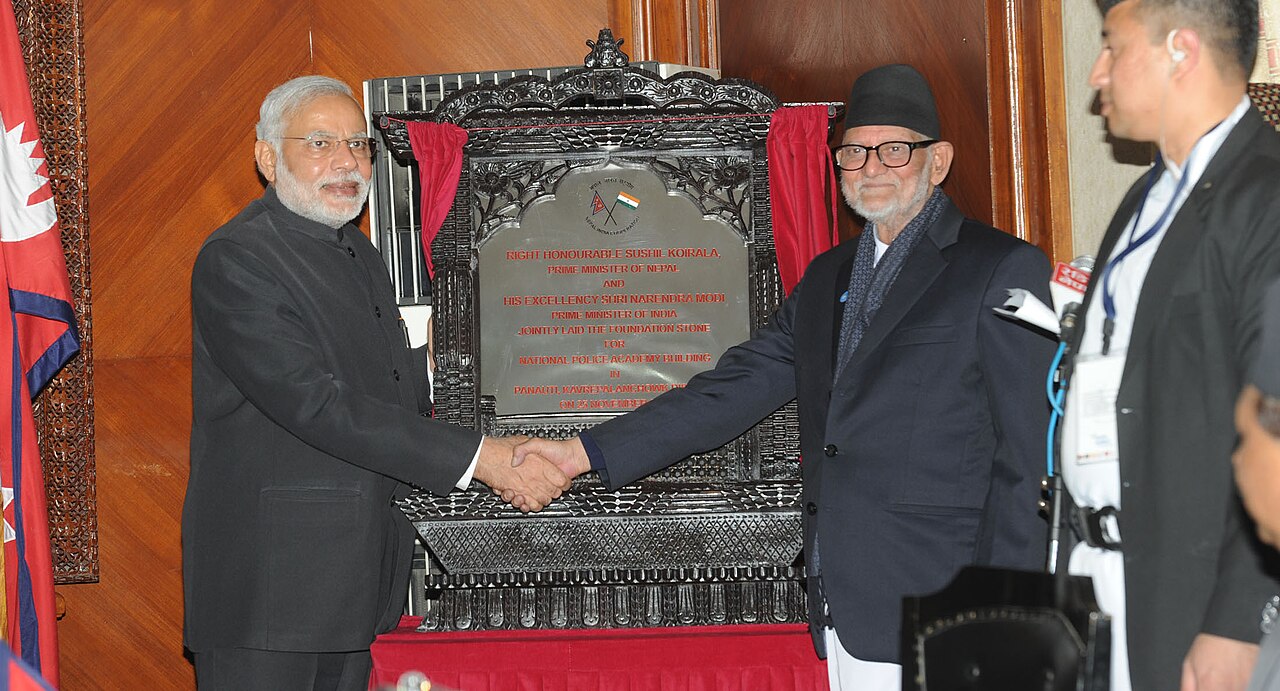
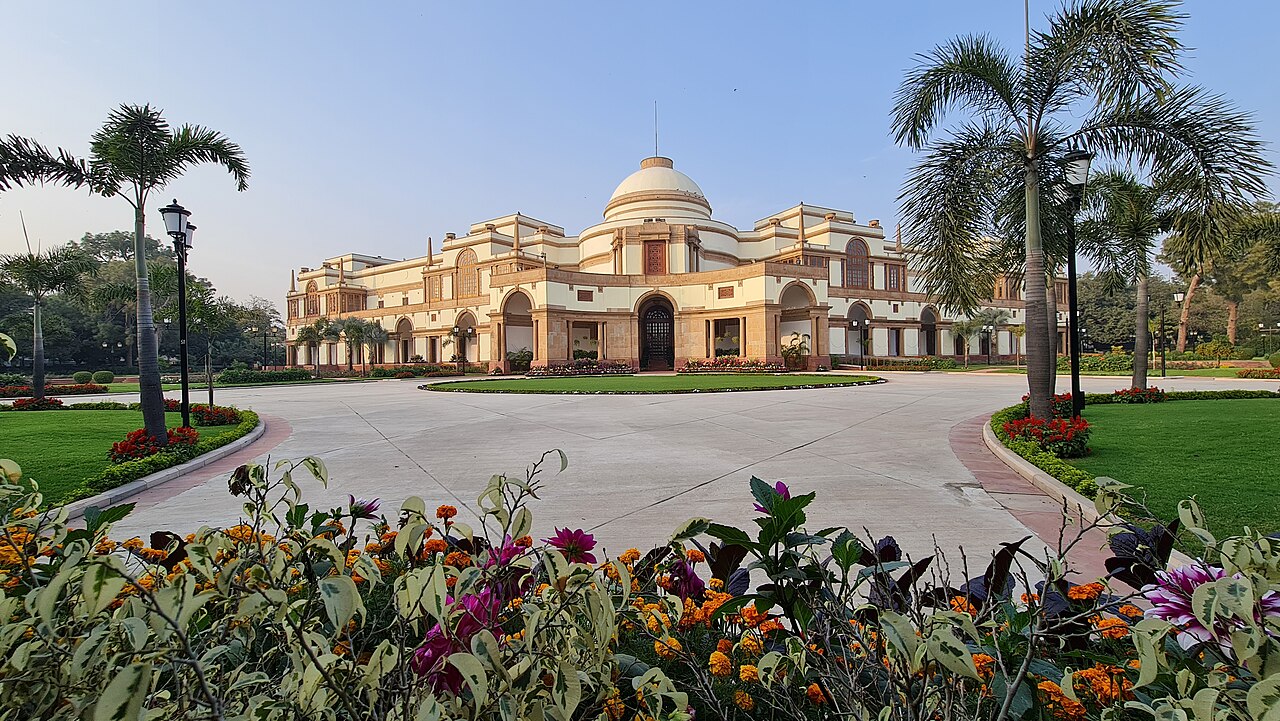
In a landmark step aimed at deepening educational and technological ties within the South Asian neighbourhood, Prime Minister Narendra Modi on Monday announced the establishment of an offshore campus of the Indian Institute of Technology (IIT) in Nepal. The announcement came during comprehensive bilateral delegation-level talks held at Hyderabad House in New Delhi, covering cross-border energy trade, digital connectivity, and security cooperation.
The decision positions Nepal alongside Tanzania (IIT Madras Zanzibar campus) and the United Arab Emirates (IIT Delhi Abu Dhabi campus) as hosts of India's premier engineering institutions abroad, reflecting India's broader diplomatic strategy of leveraging higher education as a pillar of regional soft power.
Key outcomes of the bilateral delegation talks
The high-level summit yielded several critical bilateral agreements across infrastructure, higher education, and financial integration:
- Offshore IIT campus in Nepal: A joint task force comprising officials from India's Ministry of Education and Nepal's Ministry of Education, Science and Technology will finalise the institutional framework, curriculum accreditation, and campus location near Kathmandu.
- Cross-border digital payment expansion: Building upon the integration of India's Unified Payments Interface (UPI) with Nepal Clearing House Limited (NCHL), the two nations reviewed progress on interoperable QR code payments, facilitating smoother transactions for pilgrims, tourists, and business travellers.
- Cross-border power transmission: Both sides discussed implementation modalities for the long-term bilateral electricity trade agreement, which facilitates the export of up to 10,000 megawatts of hydroelectric power from Nepal to India over the next decade.
- Railway and transit infrastructure: Operational reviews were conducted on key cross-border rail corridors, including the Jogbani-Biratnagar and Jaynagar-Kurtha links, aimed at lowering transit costs for landlocked trade.
Educational diplomacy: why an IIT in Nepal matters
For decades, tens of thousands of Nepalese students have travelled to India annually under various scholarships—including ICCR (Indian Council for Cultural Relations) grants—to pursue undergraduate and postgraduate degrees in science, technology, engineering, and medicine.
Establishing a physical IIT campus inside Nepal represents a qualitative shift from scholarship allocations to institutional capacity building. According to diplomatic analysts tracking neighbourhood policy, setting up an Indian higher education hub in Nepal serves several strategic objectives:
- Retaining regional talent: It provides top-tier engineering education within Nepal, reducing the financial burden on middle-class families and curbing student emigration to distant Western destinations.
- Strengthening technical capacity: Joint research centres at the proposed campus will focus on mountain engineering, seismic resilience, renewable energy, and hydrological resource management—areas uniquely suited to Himalayan geography.
- Counterbalancing regional influences: As regional infrastructure investments expand across the subcontinent, institutional educational cooperation offers deep, generation-long people-to-people connections.
Cross-border energy and financial integration
Beyond academic partnerships, the summit placed significant emphasis on cementing the bilateral economic corridor. The export of surplus monsoon hydropower from Nepal into India's national grid has become a critical revenue earner for Kathmandu while assisting India in meeting its clean energy targets.
Financial tech integration has witnessed similar momentum. The interoperability of UPI and Nepal's National Payments Interface has eliminated cumbersome currency exchange friction for border communities and millions of Indian and Nepalese citizens travelling across the open border.
What to watch next
The joint working groups are scheduled to convene in Kathmandu in early 2027 to finalise the formal Memorandum of Understanding (MoU) detailing the operating charter, seat allocations for domestic and international students, and faculty exchange protocols for the IIT Nepal campus.
Both governments reiterated their commitment to resolving pending transit and border management protocols through established diplomatic channels, ensuring that connectivity initiatives directly benefit border communities and trade bodies.
Verified Sources & References
Think Today News verifies reporting against primary records, accredited institutions, and official data.
Spotted an error? Write to dileep@zentixservices.com. Read our corrections policy.