
Delhi air quality slips into 'Very Poor': CAQM Stage II GRAP restrictions and meteorological factors explained
With winter temperature inversions, sluggish surface wind speeds, and seasonal post-harvest stubble burning, the Commission for Air Quality Management invoked Stage II of the Graded Response Action Plan across Delhi-NCR.

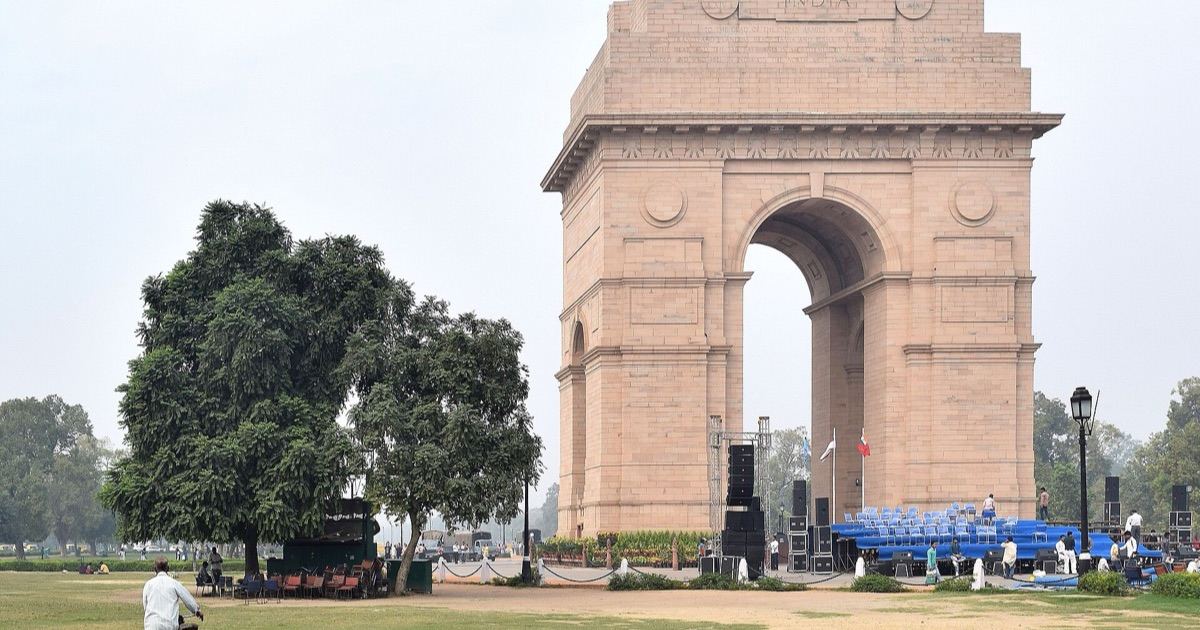
The air quality across Delhi and the broader National Capital Region (NCR) deteriorated into the 'Very Poor' bracket in the first week of November, with the 24-hour average Air Quality Index (AQI) breaching the 350 mark across multiple monitoring stations in Anand Vihar, Bawana, and Jahangirpuri.
In response, the Commission for Air Quality Management (CAQM) convened an emergency review and enforced Stage II of the Graded Response Action Plan (GRAP) across the entire NCR territory.
What triggers Stage II of GRAP?
GRAP is a multi-tiered regulatory framework that enforces progressive statutory curbs based on real-time AQI levels:
- Stage I (Poor, AQI 201–300): Focuses on dust suppression, mechanised road sweeping, and construction dust control.
- Stage II (Very Poor, AQI 301–400): Enforces mechanical sweeping with water sprinklers, enhanced parking fees to discourage private vehicles, uninterrupted power supply to eliminate diesel generators, and augmented metro and bus frequencies.
- Stage III (Severe, AQI 401–450): Mandates strict bans on non-essential construction and restricts older BS-III petrol and BS-IV diesel light motor vehicles.
- Stage IV (Severe Plus, AQI >450): Enforces bans on entry of non-electric/non-CNG commercial trucks and initiates online school classes.
The meteorological trap: why winter concentrates pollution
While source emissions—such as vehicular exhaust, road dust, waste burning, and agricultural stubble clearing in Punjab and Haryana—remain present throughout the year, winter meteorological phenomena trap these pollutants close to the ground:
- Temperature inversion: During late autumn, cooling ground temperatures create an atmospheric lid where a layer of warm air traps cooler, pollutant-laden air near the surface, preventing vertical atmospheric dispersion.
- Calm surface winds: Wind speeds drop below 5 km/h, preventing horizontal ventilation and allowing localized vehicular and industrial particulate matter (PM2.5 and PM10) to accumulate over the urban basin.
Action points and public health advisory
Health professionals have advised children, the elderly, and individuals with chronic respiratory or cardiovascular conditions to minimise outdoor physical exertion during early morning and late evening hours when particulate concentrations peak.
Verified Sources & References
Think Today News verifies reporting against primary records, accredited institutions, and official data.
Spotted an error? Write to dileep@zentixservices.com. Read our corrections policy.