

TRAI mandates telecom operators to block spam SMS with unverified URLs: what the new messaging rules mean
To curb rampant financial phishing and OTP scams, the Telecom Regulatory Authority of India enforced strict URL whitelisting rules across all promotional and transactional SMS headers.

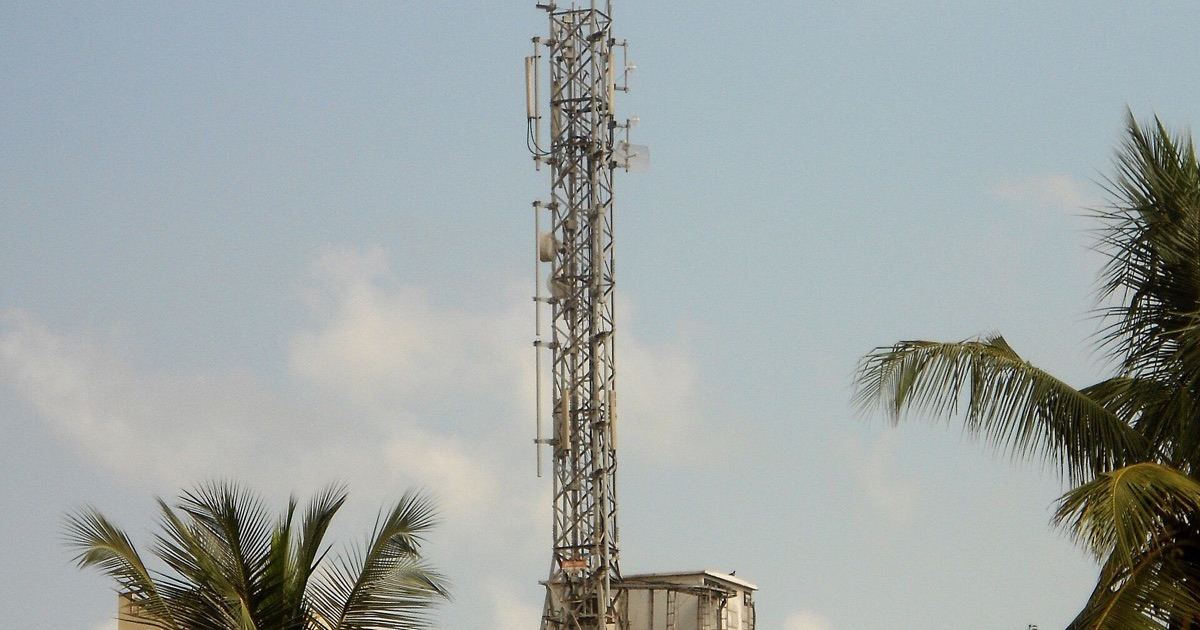
In an aggressive enforcement drive aimed at neutralizing banking fraud, smishing scams, and fake lottery text messages, the Telecom Regulatory Authority of India (TRAI) has mandated all major telecom access providers—including Reliance Jio, Bharti Airtel, and Vodafone Idea—to automatically block any commercial or bulk SMS containing unverified web links or callback numbers.
The directive forms part of TRAI's broader tightening of the Distributed Ledger Technology (DLT) blockchain framework, designed to ensure that mobile subscribers receive messages only from vetted institutional senders.
How the URL whitelisting mandate operates
Under the revised regulatory framework, businesses and government agencies sending bulk SMS must comply with strict pre-registration protocols:
- Mandatory URL registration: Every entity sending commercial SMS (banks, e-commerce firms, utility providers, state agencies) must register their exact website URLs, short links, and callback phone numbers with telecom service providers.
- Automated AI content filtering: Telecom network firewalls scan incoming commercial SMS in real time. If a message contains an unapproved web link or an unknown shortener (e.g., bit.ly, tinyurl links not tied to the registered corporate domain), the message is instantly dropped at the network gateway.
- Traceability of telemarketers: Principals sending messages via unregistered third-party telemarketers face immediate header blacklisting and disconnection.
Protecting consumers from financial phishing
Phishing text messages masquerading as electricity bill disconnection alerts, bank KYC renewal notices, and courier delivery failures have accounted for thousands of crores in digital banking fraud.
By ensuring that fraudulent links cannot pass through telecom carrier pipes, TRAI's measures create an automated perimeter defence, complementing the Department of Telecommunications' Sanchar Saathi initiative and the Chakshu fraud reporting portal.
Verified Sources & References
Think Today News verifies reporting against primary records, accredited institutions, and official data.
Spotted an error? Write to dileep@zentixservices.com. Read our corrections policy.