
Stock market selloff highlights: Sensex, Nifty tumble as IT, banking heavyweights drag benchmark indices
Indian benchmark indices Sensex and Nifty experienced heavy selling pressure on Monday, 23 November, dragged down by sustained foreign institutional outflows, cautious global market cues, and broad-based declines across IT, banking, and metal stocks.

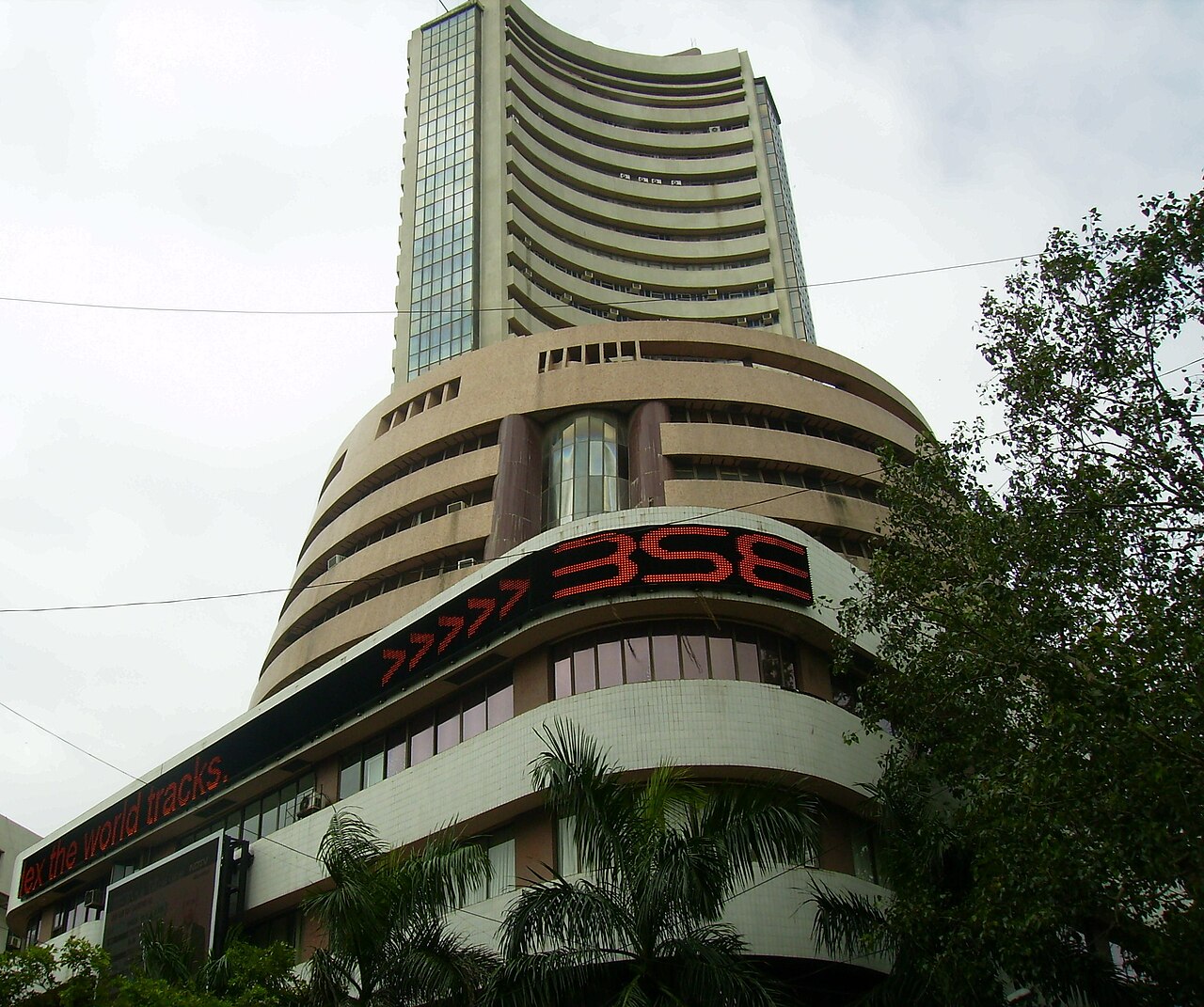
Dalal Street witnessed sharp selling across benchmark equity indices on Monday, 23 November 2026, as investor sentiment was battered by persistent foreign fund outflows, cautious signals from global equity bourses, and severe pressure on frontline information technology, banking, and automobile stocks.
The 30-share BSE Sensex dropped steeply during volatile trade, slipping below key psychological support thresholds, while the broader 50-share NSE Nifty experienced a similar pullback after failing to sustain higher consolidation ranges seen earlier in the month.
Where the benchmark indices finished
At the end of Monday's trading session, benchmark gauges reflected broad-based institutional risk-off positioning:
- BSE Sensex: Plunged over 600 points, or approximately 0.75 per cent, settling near 81,200 levels after touching an intraday low that breached consecutive support barriers.
- NSE Nifty 50: Retreated by more than 185 points, or 0.74 per cent, to close around the 24,750 mark, with 38 of its 50 constituents ending in negative territory.
- Midcap and Smallcap indices: Broader market indices did not escape the selloff; the Nifty Midcap 100 and Nifty Smallcap 100 declined between 0.8 per cent and 1.2 per cent, reflecting widespread profit booking in retail-heavy segments.
Primary drivers behind Monday's market slump
Market analysts and institutional desk strategists highlighted three interconnected factors driving the aggressive sell-off across Indian equities:
1. Sustained FII selling in cash markets
Foreign Institutional Investors (FIIs) remained consistent net sellers in the domestic cash segment, continuing a trend witnessed over recent weeks. Heightened US Treasury yields and a resilient US Dollar Index prompted global emerging market funds to rebalance portfolios towards fixed-income assets, exerting continuous downward pressure on Indian large-cap counters where foreign ownership remains substantial.
2. Disappointing cues from technology and export-oriented sectors
Frontline IT stocks faced steep selling pressure following cautious guidance commentary from global tech consulting peers and persistent uncertainty surrounding North American discretionary IT spending. Major tech heavyweights contributed substantially to the headline index decline, dampening overall market sentiment.
3. Elevated geopolitical friction and crude oil volatility
Renewed trade rhetoric and evolving geopolitical friction across key shipping lanes introduced caution among commodity importers. For India, an economy reliant on imported crude for over 85 per cent of its domestic fuel requirements, any hardening of international crude benchmarks raises inflation sensitivities and limits near-term monetary easing room for the Reserve Bank of India (RBI).
Sector-by-sector performance
The drubbing was noticeable across almost every major sectoral index:
- Nifty IT: Emerged as one of the hardest hit, falling by over 1.6 per cent amid heavy institutional liquidations.
- Nifty Bank & Financial Services: Suffered notable declines as private sector lenders came under pressure due to net interest margin (NIM) compression concerns and cautious credit growth projections.
- Nifty Auto & Metal: Softened between 0.9 per cent and 1.4 per cent, weighed down by cyclical demand moderation and raw material pricing headwinds.
- Defensive outliers: Pharma and FMCG stocks demonstrated relative resilience, witnessing mild defensive buying as institutional managers sought shelter in low-beta consumer staples.
Key technical support levels traders are watching
From a technical chart perspective, market analysts note that the Nifty 50 has slipped beneath its short-term 20-day exponential moving average (EMA), making the 24,650 to 24,500 zone a vital cushion. A sustained breakdown below this region could open doors toward deeper consolidation, while any prospective recovery rally will face stiff resistance near the 25,000 to 25,150 zone.
Domestic Institutional Investors (DIIs), supported by robust retail mutual fund systematic investment plan (SIP) inflows averaging over ₹25,000 crore monthly, provided partial downside absorption, preventing a more severe intraday breakdown.
Market figures are based on exchange data from the 23 November 2026 trading session. This analysis is prepared solely for educational and informational purposes and does not constitute financial or investment advice.
Verified Sources & References
Think Today News verifies reporting against primary records, accredited institutions, and official data.
Spotted an error? Write to dileep@zentixservices.com. Read our corrections policy.