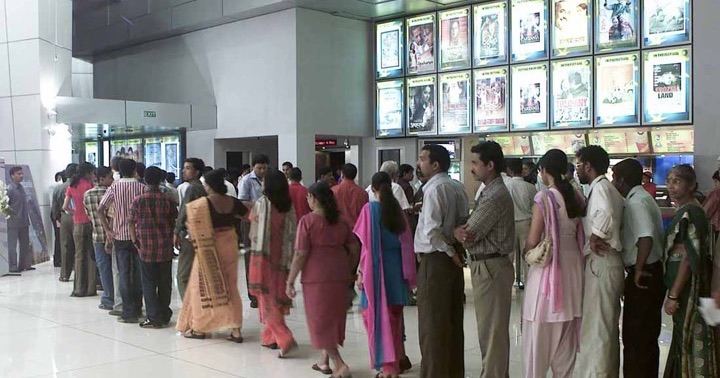

OTT release windows vs theatrical exclusivity: how Indian cinema multiplex chains negotiate streaming rights
The eight-week theatrical window has become the central bargaining chip between Bollywood producers and national multiplex chains. Here is how revenue sharing, box office returns, and OTT rights are structured.

The economics of the Indian film industry have been fundamentally reshaped by the rapid expansion of subscription video-on-demand (SVOD) streaming platforms such as Netflix, Amazon Prime Video, Disney+ Hotstar, and JioCinema.
Prior to the streaming boom, theatrical box office receipts accounted for over 70 per cent of a movie's lifetime commercial earnings. Today, streaming pre-licensing deals frequently cover 40 to 60 per cent of a major production budget before a single ticket is sold.
However, this shift sparked a persistent tug-of-war between cinema owners—represented by major multiplex chains like PVR INOX—and streaming-backed producers over the "theatrical exclusivity window": the mandatory delay between a film's cinema premiere and its digital streaming debut.
The eight-week rule explained
In the post-pandemic recovery era, national multiplex operators instituted a standard policy: the eight-week theatrical window.
- Under this pact, Hindi and major regional language films must maintain a minimum eight-week gap between their theatrical release date and their digital streaming premiere.
- If a film producer negotiates an early four-week OTT release window with a streaming platform to secure a higher acquisition fee, national multiplex chains refuse to screen the title in their theatres.
Multiplex operators argue that without an eight-week buffer, audiences delay cinema visits, choosing to wait a few weeks to watch movies at home on smart TVs and mobile screens, undermining theatre footfalls and high-margin food and beverage (F&B) revenues.
The financial trade-off for film producers
For movie producers, balancing theatrical exclusivity against early digital premieres is a high-stakes calculation:
- Big-budget tentpoles: High-spectacle action and VFX-driven films (such as Kalki 2898 AD, RRR, or Jawan) benefit enormously from the full eight-week theatrical run, where box office collections can reach ₹500 crore to ₹1,000 crore. These productions comfortably accept the eight-week window.
- Mid-budget and concept dramas: Character-driven social dramas, comedies, and romance films face tougher theatrical footfalls. For these titles, streaming platforms historically offered lucrative premiums for shorter four-week or two-week digital release windows.
Revenue sharing tiers during theatrical runs
When a film plays in Indian theatres, revenue sharing between distributors and multiplex operators follows a declining weekly scale:
- Week 1: 50% to 52.5% of net box office collections goes to the distributor; the remainder is retained by the exhibitor.
- Week 2: Distributor share decreases to 40% to 42.5%.
- Week 3: Distributor share drops to 32.5% to 35%.
- Week 4 onwards: Distributor share stabilises near 30%.
Because the overwhelming majority of theatrical revenue is generated in the first two weeks, negotiations continue to evolve around flexible windows based on budget tiers and performance benchmarks.
Verified Sources & References
Think Today News verifies reporting against primary records, accredited institutions, and official data.
Spotted an error? Write to dileep@zentixservices.com. Read our corrections policy.