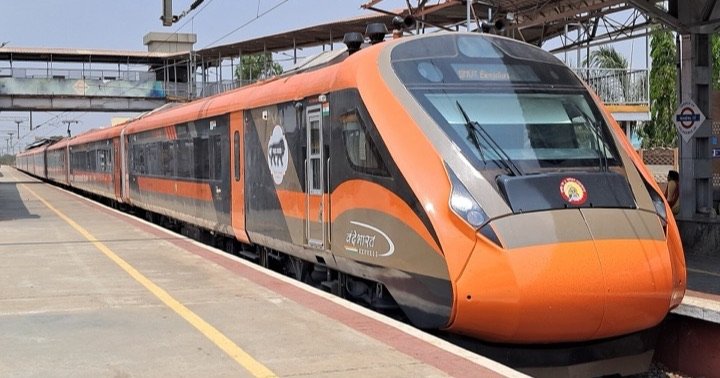

Vande Bharat Sleeper between Varanasi and New Delhi flagged off today; timings, stops and what is on board
The overnight train leaves Varanasi at 8:50 pm and reaches New Delhi at 6:10 am, stopping at Prayagraj, Kanpur Central, Aligarh and Ghaziabad. It runs six days a week.
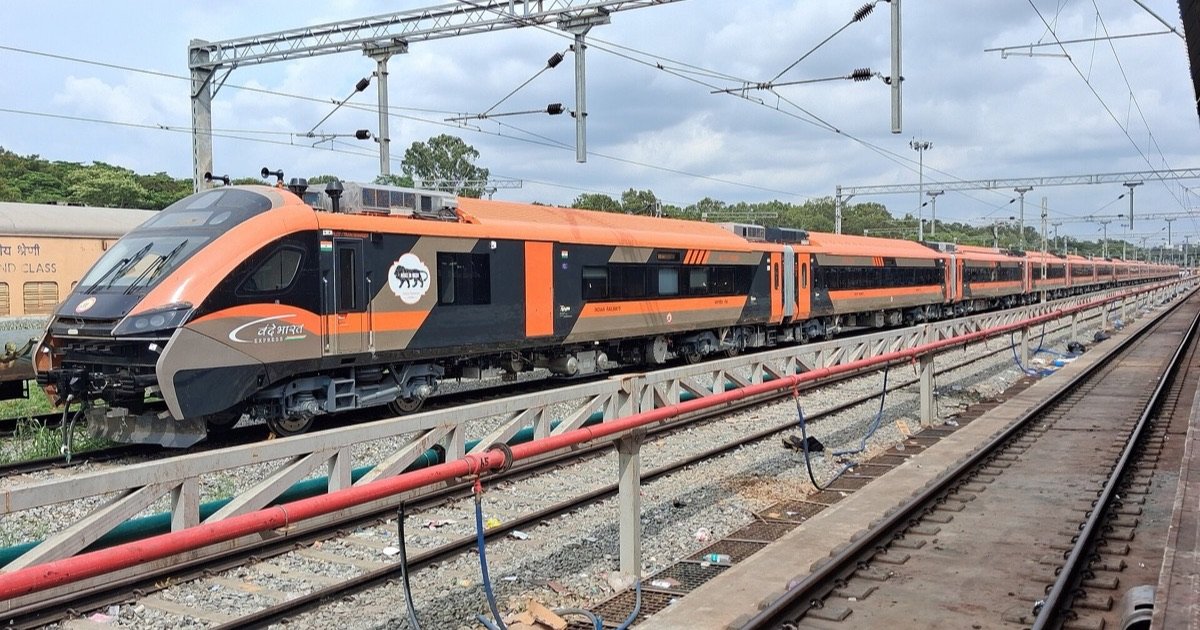
Indian Railways is introducing a Vande Bharat Sleeper Express between Varanasi and New Delhi, with Uttar Pradesh Chief Minister Yogi Adityanath and Railway Minister Ashwini Vaishnaw due to flag it off from Varanasi on Saturday, the Railways Ministry said on Friday evening.
It is the second route for the sleeper version of the Vande Bharat, after the Howrah-Guwahati service and its return train started in January 2026. Until now, Vande Bharat trains on this corridor have been chair-car services that run during the day.
Timings and stops
According to the ministry:
- Varanasi to New Delhi: departs 20:50, arrives 06:10 the next morning.
- New Delhi to Varanasi: departs 21:40, arrives 07:10 the next morning.
- Stops: Prayagraj, Kanpur Central, Aligarh and Ghaziabad.
- Days: six days a week. The Varanasi-bound service from New Delhi does not run on Saturdays, and the train from Varanasi does not run on Fridays.
By our calculation, the journey takes 9 hours 20 minutes from Varanasi and 9 hours 30 minutes from New Delhi.
The ministry compared it with the existing Shiv Ganga Express on the same route. It said the new train is 55 minutes faster from Varanasi to New Delhi and 35 minutes faster in the other direction.
The release did not give fares or the date on which regular commercial runs and bookings begin. Passengers should check the IRCTC website or app, or the station enquiry, for fares, classes and the first available date.
Who it is meant for
Varanasi draws pilgrims and tourists all year, and the route links several large cities in Uttar Pradesh with the capital. The evening departure and early morning arrival mean passengers can finish a working day, sleep on the train and arrive in time for the next day's work, without paying for a hotel night. Students and families travelling between eastern Uttar Pradesh and Delhi are among the groups the ministry expects to use it.
What the sleeper train offers
The ministry listed the train's main features. Among them:
Safety
- A Train Collision Avoidance System (TCAS), designed to apply the brakes automatically if a driver misses a signal
- Fire safety to the European EN45545 HL3 standard, fire barrier doors and smoke and fire detection
- A stainless steel body built to the EN15227 crash standard
- CCTV cameras and emergency alarm buttons for passengers, with a talk-back system to the driver and guard
Comfort
- Automatic sliding doors and sealed gangways between coaches, which reduce noise and dust
- Odour-free toilets with vacuum flushing, and berths and toilets designed for passengers with disabilities
- Reading lights, three-pin sockets and USB Type A and Type C charging points at each berth
- A shower with hot water in First AC
- On-board Wi-Fi
Efficiency
- Regenerative braking, which feeds energy back into the overhead power line when the train slows down
- Propulsion equipment mounted under the coaches, so there is no separate locomotive
How Vande Bharat trains differ from older trains
Conventional express trains are pulled by a locomotive at the front. Vande Bharat trains are "train sets", where motors are spread across the coaches. This lets them accelerate and brake faster, which saves time even when the top speed allowed on a track is the same. That is a large part of why the new train can beat the Shiv Ganga Express without a faster track.
The first Vande Bharat chair-car train ran between New Delhi and Varanasi in February 2019. The sleeper version is built for overnight journeys, where a seat is not practical. The ministry said the new services are part of extending the sleeper train to more regions.
Before you travel
- Check the running day. Trains that skip one day a week can catch people out.
- Reach the station early for the first few weeks, when platform arrangements and coach positions may be unfamiliar.
- Book only through IRCTC or authorised agents. Fake booking sites and "tatkal agents" on social media are a common source of fraud.
Correction, 31 October 2026: An earlier version of this story said the government announcement was made on Thursday. It was made on Friday, 30 October.
Sources
Spotted an error? Write to dileep@zentixservices.com. Read our corrections policy.