
Centre notifies national board to shape welfare schemes for gig, platform and unorganised workers
The board, set up under the Code on Social Security and chaired by the Labour Minister, will include delivery and ride-hailing companies and workers' groups, and must meet at least three times a year.
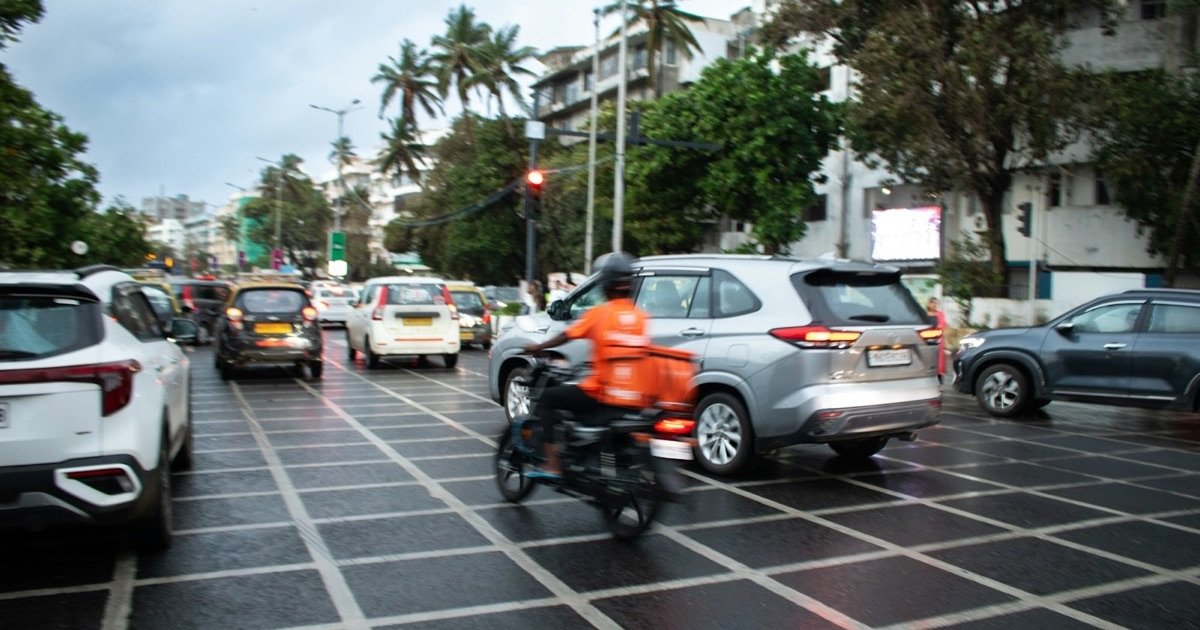
The Ministry of Labour and Employment has formally constituted a National Social Security Board for unorganised workers and for gig and platform workers, it said on Friday. The board is the body that will recommend welfare schemes for people who deliver food, drive for ride-hailing apps, or work in the informal economy without a regular employer.
It has been set up under the Code on Social Security, 2020, one of the four labour codes that replaced 29 older labour laws.
Who sits on the board
The ministry said the board will be chaired by the Union Minister for Labour and Employment. Its members will be drawn from:
- the Central and state governments
- aggregator companies, meaning the digital platforms that connect workers with customers
- employers
- civil society organisations
- trade unions
- associations of gig and platform workers
The release did not name individual members. The board must meet at least three times a year, under procedures the Centre will prescribe.
What it will do
According to the notification, the board's functions are to:
- Recommend schemes to the Central government for different groups of unorganised, gig and platform workers.
- Advise the government on matters referred to it about running the Code.
- Monitor welfare schemes for these workers that the Centre runs.
- Review how states keep records of these workers.
- Review spending from the social security fund and its accounts.
- Take on any other work the Centre assigns.
The board advises and monitors. It does not itself pay benefits. Its importance lies in giving platform companies and workers' representatives a formal seat at the table when schemes are designed.
Who counts as a gig or platform worker
The Code on Social Security was the first Indian law to define these jobs:
- A gig worker earns from work outside a traditional employer-employee relationship, for example a freelancer paid per task.
- A platform worker is a gig worker who finds work through an online platform, such as a food delivery rider or an app-based cab driver.
- An aggregator is the company that runs the platform.
Under the Code, aggregators are required to contribute a share of their annual turnover to a social security fund for these workers. The law sets this at 1 to 2 per cent of turnover, capped at 5 per cent of what the aggregator pays its gig and platform workers. Reviewing how this fund is spent is one of the board's listed jobs.
Why this matters to workers
Gig and platform workers usually have no provident fund, no employer-paid health insurance and no paid leave. An accident on the road or a sudden illness can wipe out a month's income. Schemes designed by the board could cover areas such as accident insurance, health cover, maternity benefits and old-age protection, which the Code lists as possible benefits.
For workers, the practical first step is registration. Unorganised and platform workers can register on the government's e-Shram portal, which gives them a universal account number and makes them visible to welfare schemes.
The wider social security picture
A government backgrounder released on Saturday morning set out other recent changes to India's social security system. According to that document:
- Social protection coverage rose from 19 per cent of the population in 2015 to 68.4 per cent in 2026.
- The wage ceiling for compulsory EPFO membership is being raised from ₹15,000 a month to ₹25,000 a month. The increase was approved in September 2026 and is expected to bring more than 51 lakh additional employees under mandatory provident fund coverage. The ceiling was last changed in September 2014.
- EPFO had about 7.98 crore contributing members as of 16 September 2026, compared with 3.49 crore in 2014-15.
- Partial PF withdrawal rules have been merged from 13 provisions into three categories: essential needs, housing needs and special circumstances. Members can make up to 10 withdrawals for education and 5 for marriage, against a combined limit of 3 earlier.
- The limit for automatic settlement of eligible advance claims has been raised to ₹5 lakh.
The wage ceiling change matters for salaried workers earning between ₹15,000 and ₹25,000 a month. Until now, employers were not required to enrol such employees in the EPF if they joined above the old ceiling. Once covered, both the employee and the employer contribute to the worker's provident fund and pension account each month.
What to watch next
The board's first meeting and any schemes it recommends will show how quickly the framework turns into benefits on the ground. Rules on how much each aggregator must contribute, and how the money reaches workers, will be the key details. Think Today News will report on them when the ministry publishes them.
Correction, 31 October 2026: An earlier version of this story gave the wrong days of the week. The ministry's announcement was made on Friday, 30 October, and the government backgrounder was issued on Saturday, 31 October.
Sources
Spotted an error? Write to dileep@zentixservices.com. Read our corrections policy.